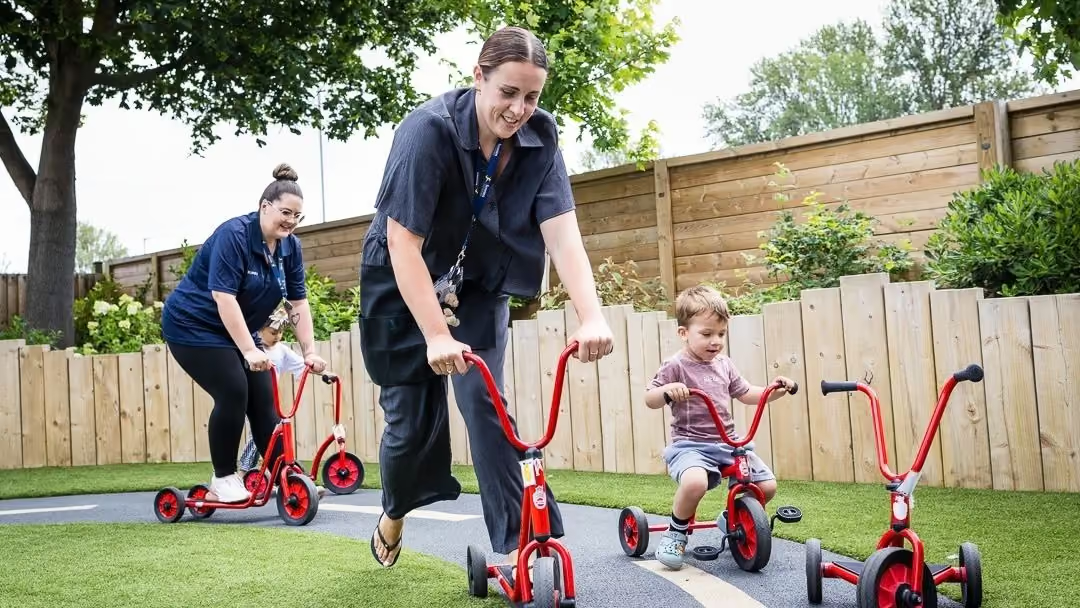
Early years practitioners play an important role in children's first experiences of learning. Through their everyday interactions, they help children build relationships and grow in confidence.
But what does the role involve, and what makes an early years practitioner so important to a child's development?
An early years practitioner supports the care and development of babies and young children, typically from birth to five years old. Working within the Early Years Foundation Stage (EYFS), they create opportunities for children to explore, communicate and learn through play.
Their responsibilities include observing children's development, maintaining safe environments and adapting experiences to meet individual needs. It takes an understanding of child development to recognise when a child needs extra support or simply the time and space to try something independently.
Why does the role matter?
The early years are a significant period of development. Responsive interactions with adults plays such a huge role in supporting children's learning and development.
A practitioner might help a toddler find the confidence to try something new or encourage preschool children to work through a problem together. These everyday moments help children develop skills they can carry with them as they grow.
The people behind the practice
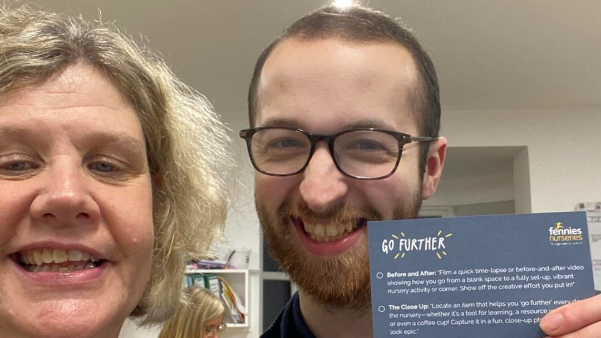
Every early years practitioner brings their own experiences and strengths and ambitions to the role. Alongside the rewarding moments, there are challenges that help shape their confidence and approach to working with children.
At Fennies, learning from these experiences is an important part of professional development.
"I would say I wanted to make a difference to children’s lives and give them the best possible start to their early years education. Working for a company like Fennies which feels like a tight-knit community makes it truly worthwhile.” says Martin, Early Years Educator at Fennies Croydon, Addiscombe Road.
Experiences like these show that becoming a confident practitioner takes time. Having opportunities to ask questions whilst learning from others and reflecting on their practice can help educators build the skills they need throughout their careers.
How we support our practitioners

At Fennies, we want our practitioners to keep learning and developing their skills throughout their careers.
We support this through:
- Training and development: Opportunities to strengthen knowledge of child development, safeguarding and the EYFS.
- Teamwork and shared learning: Working alongside experienced colleagues to exchange ideas, ask questions and reflect on practice.
- Thoughtfully designed environments: Purposeful spaces and resources that help practitioners extend children's interests and support their learning.
"The support, encouragement and opportunities I’ve received have helped me grow in confidence, develop my skills and progress in my career. I’ve always felt encouraged to challenge myself, step outside my comfort zone and work towards my career aspirations.” says Mariana Marques, Deputy Manager at Fennies Cheam, Worcester Road.
By investing in our people, we help practitioners continue to grow in their roles and make a difference to the children and families they work with.
Investing in futures
Early years practitioners help children develop the skills and confidence they need as they grow. They also build relationships with families, offering them reassurance and working with them to support each child's development.
For practitioners, the profession offers opportunities to keep learning and take on new responsibilities as their experience grows.
Where can an early years’ career take you?
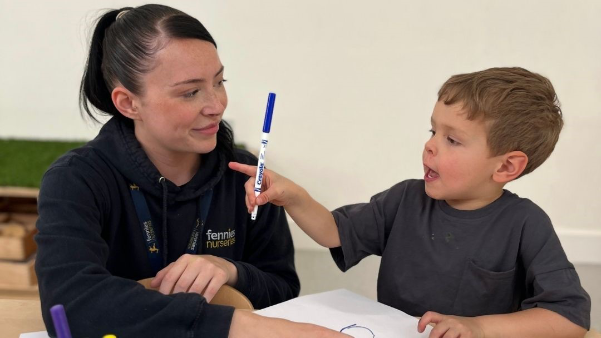
With the right experience, training and qualifications, practitioners can progress into roles such as:
- Room Leader: Supporting a room team and maintaining quality practice.
- Deputy Manager: Helping oversee the day-to-day running of a nursery.
- Nursery Manager: Leading a team and shaping the quality of provision.
- Specialist Roles: Developing expertise in areas such as SEND, inclusion or education.
At Fennies, investing in our people means helping colleagues explore their ambitions and work towards their next steps.
"My journey at Fennies began as an unqualified practitioner, and through completing my Level 3 apprenticeship, I proudly progressed into my role as a Room Leader. Fennies has shown me that there is always room to grow, both personally and professionally.” said Nicole, Room Leader at Fennies Croydon, Lower Addiscombe Road.
By supporting our practitioners to develop, we help them shape their own futures while making a lasting difference to the children and families they work with.
Small ways to strengthen your practice
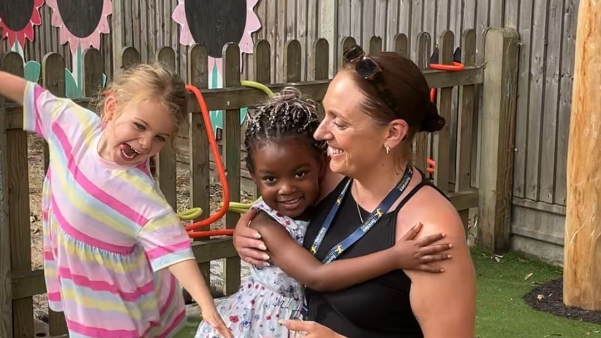
Developing as an early years practitioner doesn't always mean taking another course or gaining a new qualification. Everyday experiences can also help you build confidence and improve your approach.
Here are four ways to keep developing your practice:
- Take time to observe: Notice what interests children and use this to inform their learning experiences.
- Ask questions: Learn from colleagues and seek advice when you're faced with an unfamiliar situation.
- Reflect on your approach: Think about what worked well and what you could adapt next time.
- Keep learning: Take opportunities to develop your knowledge and explore areas you'd like to improve.
"Behind every child who walks through our doors is a family placing their trust in us with someone who means the world to them. Being part of an organisation that shares these values, while encouraging and supporting my own growth as an educator and leader, is something I find incredibly meaningful. And I’m proud to play my part.” says Stephanie, Room Leader at Fennies Horley, Albert Road.
Where could your Early Years career take you?
At Fennies, we're committed to helping our people grow and explore new opportunities throughout their careers.
Ready to take your next step? Explore careers at Fennies and discover where your future could begin.
FAQ
The EYFS is the statutory framework for early years providers in England. It sets standards for children's learning, development, health and safety from birth until the end of the reception year.
Early years practitioners typically work with children from birth to five years old, supporting their care, learning and development before they start school.
No two days are exactly the same. Practitioners support routines such as meals and sleep, plan opportunities for learning through play, observe children's development and work with families to ensure each child receives the support they need.
Communication, patience, empathy and teamwork are valuable. Practitioners also need knowledge of child development, safeguarding and the ability to respond to children's individual needs.
Yes. With relevant experience, qualifications and development opportunities, practitioners may progress into roles such as Room Leader, Deputy Manager or Nursery Manager, or explore specialist areas such as inclusion and education.
Subscribe to our newsletter
Stay up to date with Fennies news
Related posts
Meet the Senior Manager: Polly from Fennies Beckenham, Kings Hall Road

What is an early years practitioner and why are they so important?

Inside Fennies preschool rooms: Designed to build school readiness every day
The skills that matter most before starting school (And how we build them every day)
How parents and nurseries can work together to prepare children for school
Everything parents need to know before starting reception
What should my child know before starting Reception? How Fennies Richmond prepares children