Starting reception is a big milestone for children, but it’s just as big for families too. Even though it can feel daunting as you see the list of things you need to think about, by planning it out and navigating applications, both you and your child can feel confident about this next step.
The good news is that preparing for school doesn't need to feel overwhelming. With the right information and plenty of reassurance through good early years care, you can help your child approach their first day feeling secure and ready for this exciting new chapter.
In this guide, we’ll explore what parents need to know before starting reception such as when to begin looking at schools and how the application process works to the everyday skills that can support a smooth transition.
When should you start thinking about reception?
You don’t need to have everything figured out from the moment your child turns four. reception preparation is a gradual process, and starting early simply gives you more time to make informed decisions without feeling rushed.
A simple timeline to keep in mind:
May-June (Year Before)
Start exploring your local schools. Look at what’s nearby, check catchment areas and begin noting any open days or tours.
September-October (Year Before)
Narrow down your options and visit the schools you’re considering. This is a good opportunity to think about which environment feels like the best fit for your child.
November-January
Make your application. If you’re applying for a state school, check your local council’s exact deadline, as dates can vary depending on where you live.
April onwards
Offers are usually made around this time, giving you the opportunity to start preparing your child for their new school and any transition visits.
September
The big day arrives! Your child starts their school journey.
Of course, every family’s circumstances are different, and application dates and processes can vary between areas and schools. The most important thing is to give yourself enough time to research your options and understand what’s expected in your local area.
Choosing the right school for your child
There’s no one-size-fits-all answer when it comes to choosing a primary school. The right choice is one where your child feels comfortable, supported and excited to learn.
When researching schools, it can help to look beyond the basics and consider what each setting is really like. Think about:
- Environment: Does it feel welcoming? Are the spaces well suited to young children?
- School’s Ethos: Does its approach to learning and wellbeing align with what matters to your family?
- Your Child: What are their interests, personality and individual needs? Which environment do you think they would thrive in?
- Practicalities: Consider location, the school journey, wraparound care and any admission or catchment requirements.
- Wider Experience: Look at the opportunities available beyond the classroom, from outdoor learning and creative activities to clubs and enrichment.
Make the most of school visits
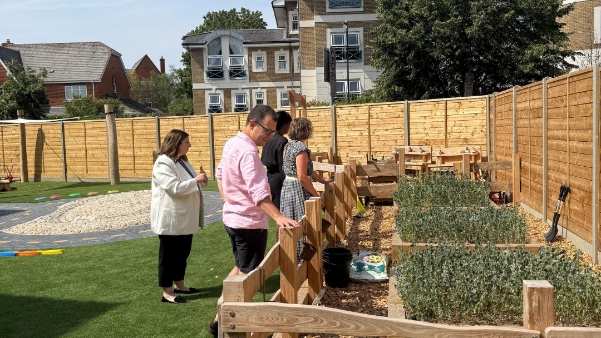
Open days and school tours are one of the best ways to get a feel for a setting. Rather than focusing only on facilities, take a moment to watch how adults interact with the children. Do the children seem happy and engaged? Do the teachers know the children well? Does the atmosphere feel positive and welcoming?
It can also be useful to prepare a few questions before you visit, particularly around the school day, communication with families and how the school supports children with different needs.
Understanding the application process
Once you’ve chosen the schools you’re interested in, it’s time to get familiar with the application process. This can vary depending on the type of school and where you live, so it’s important to check the specific requirements for your area.
- Check the key dates: In England, applications for state primary schools typically open in September and close in January. Check your local council’s exact deadlines, as these can vary.
- Apply through the right route: State school applications are usually made through your local council, while applications for independent schools are generally made directly to the school.
- Understand the admission criteria: Check whether factors such as catchment areas, siblings or faith-based criteria could affect your child’s application.
- Rank your preferences carefully: If you’re asked to list schools in order of preference, consider each option carefully before submitting your application.
- Keep track of what happens next: Make a note of when you can expect to receive your offer and what you’ll need to do once you know which school your child has been offered.
The everyday skills that can make a difference
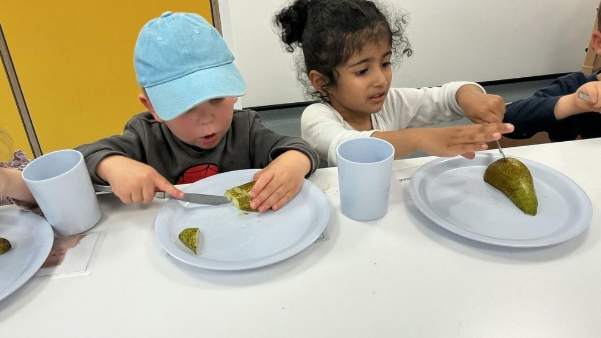
Starting school isn’t about your child being able to do everything independently on day one. There are, however, some everyday skills that can make the transition into reception feel a little easier.
Independence
At this age children will begin to discover trying things for themselves. Encourage your child to have a go at:
- Putting on and taking off their coat and shoes
- Using the toilet and washing their hands independently
- Eating and drinking without help
- Recognising and looking after their own belongings
- Asking an adult for help when they need it
Communication
Being able to communicate their needs and listen to others can help children feel more confident in a busy classroom. At home, you can:
- Talk about your child’s day and encourage them to explain their ideas
- Read stories together and ask questions about what’s happening
- Introduce new words through everyday conversations
- Give simple instructions and encourage your child to listen and respond
Social and emotional skills
Reception brings lots of new people, experiences and routines. Everyday opportunities to practice their social and emotional skills include:
- Sharing and taking turns
- Playing cooperatively with others
- Talking about feelings
- Managing small frustrations
- Trying something again when it doesn’t go to plan
Preparing for the transition
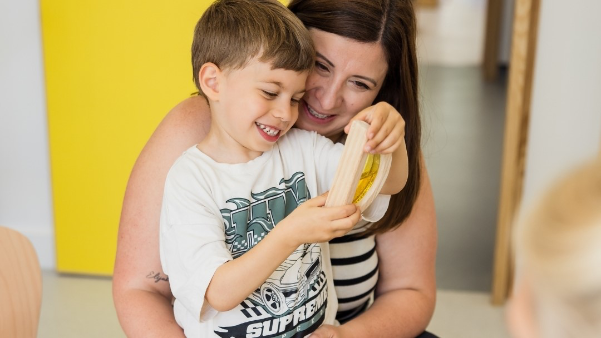
As the first day gets closer, help your child become familiar with what’s ahead. Talk positively about starting school, read books about the experience and, where possible, visit the school together.
You can also introduce some of the routines they’ll experience, such as getting dressed independently and following a morning routine. Role-playing school through play can be another simple way to help children explore new experiences and talk about how they’re feeling.
If your child has additional needs or particular worries about starting school, speak to their nursery and new school early. Working together can help make sure the right support is in place for a confident transition.
A simple reception preparation checklist
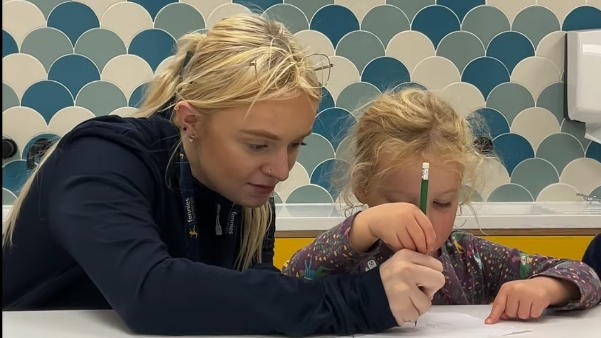
Every child develops at their own pace, so this isn’t a definitive list of everything your child needs to be able to do before starting school. Instead, use this as a helpful starting point to understand some of the skills and abilities that can support a positive start to reception.
☐ Getting dressed and putting on their coat and shoes
☐ Using the toilet and washing their hands independently
☐ Eating and drinking without help
☐ Looking after their own belongings
☐ Listening and following simple instructions
☐ Talking about their needs, ideas and feelings
☐ Sharing, taking turns and playing with others
☐ Trying new things and having another go when something feels tricky
☐ Recognising their own name
☐ Enjoying stories, songs, counting and mark-making
☐ Feeling confident asking an adult for help
Remember: School readiness isn’t about ticking every box before September. It’s about giving your child opportunities to develop confidence, independence and a positive attitude towards learning. That’s the main goal!
“All the way from applying for schools through to their final days at the nursery. Especially for the parents who haven’t been through this process before. Small things like what to put in a packed lunch can all be so useful for first time parents to know.” says Polly Kaur, Senior Manager at Fennies Nurseries talking about how we support families throughout this process.
How does Fennies prepare children for school?
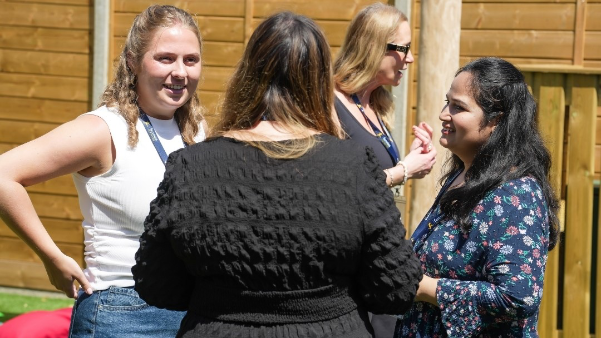
At Fennies, school readiness is part of children’s everyday experiences, rather than something we focus on just before they leave nursery. Through our approach to learning, we give children opportunities to develop the confidence and independence they’ll need to help them excel as they take their next step.
Our educators support children to build these skills through play, meaningful conversations, problem-solving and everyday routines. We encourage children to express themselves, build relationships, persevere when things feel tricky and become increasingly independent in looking after themselves and their belongings.
Most importantly, we want every child to leave Fennies feeling confident in who they are, excited to learn and ready for their next adventure. We don’t just prepare children for school; we prepare them for the future!
FAQ
It’s a good idea to start thinking about Reception well before your child’s first day. Researching schools and understanding application deadlines can begin early, while skills such as independence and communication can be developed naturally through everyday routines and play.
No! Children develop at different rates, and they are not expected to have mastered reading and writing before starting school. Enjoying stories, talking together, recognising their name and exploring mark-making are all useful ways to support early literacy.
There’s no definitive list, but developing independence, communication, social skills and confidence can help children settle into reception. Everyday skills such as using the toilet, getting dressed, eating independently and asking for help can also make the school day easier.
Every child’s transition is different. If your child has additional needs or you have concerns about starting school, speak to their nursery and new school early. Working together can help everyone understand your child’s needs and put the right transition support in place.
Talk positively about school and visit the setting if you can. Reading books about starting school and using role play can also help your child become familiar with what to expect.
Subscribe to our newsletter
Stay up to date with Fennies news
Related posts
Meet the Senior Manager: Polly from Fennies Beckenham, Kings Hall Road

What is an early years practitioner and why are they so important?

Inside Fennies preschool rooms: Designed to build school readiness every day
The skills that matter most before starting school (And how we build them every day)
How parents and nurseries can work together to prepare children for school

Everything parents need to know before starting reception
What should my child know before starting Reception? How Fennies Richmond prepares children