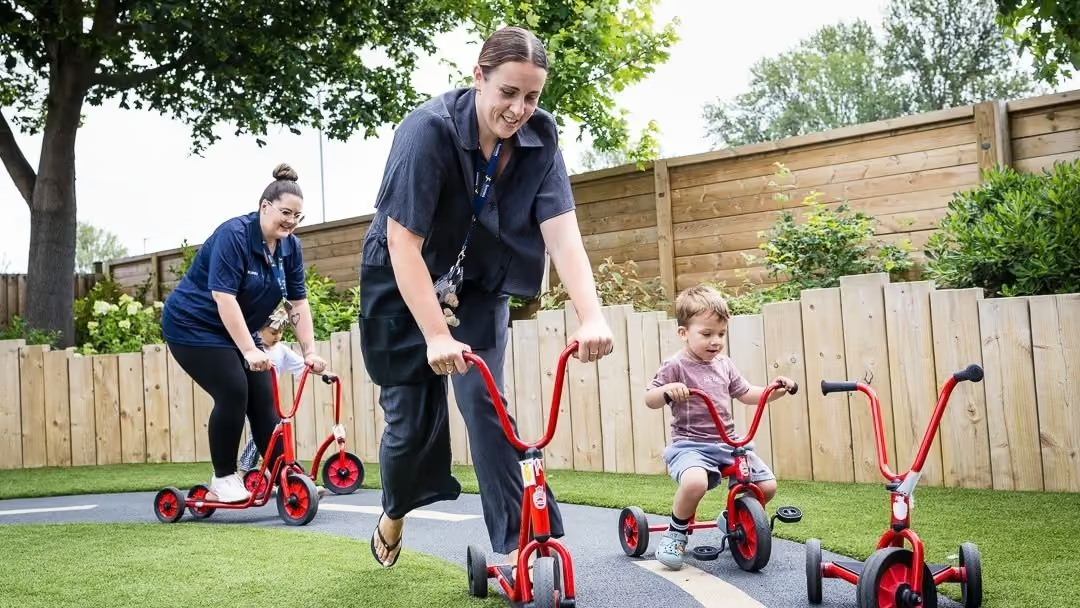
A child asking for help when they can't fasten their coat or trying again when a puzzle doesn't fit might not seem like significant milestones. Yet these everyday moments help children develop the skills they'll draw on when they start school.
Learning to navigate unfamiliar situations takes practice. Children gradually become more independent, learn to express their needs and grow in confidence as they discover what they can do for themselves.
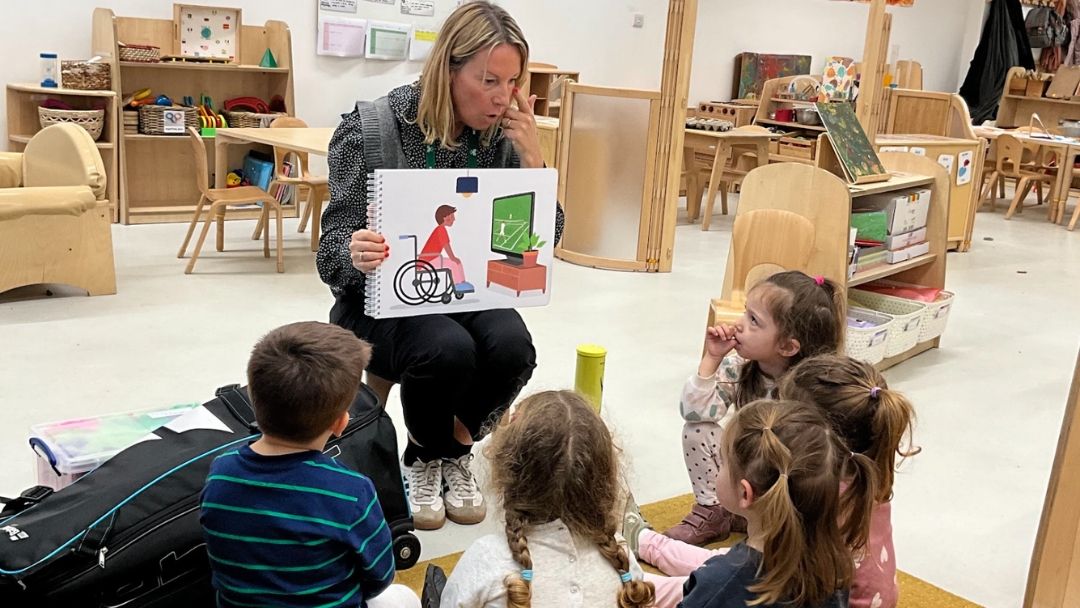
At Fennies, our practitioners recognise these moments as valuable opportunities for learning. By understanding the skills that support children as they approach Reception, we can explore how they're developed at nursery and how parents can nurture them at home.
What does school readiness really mean?
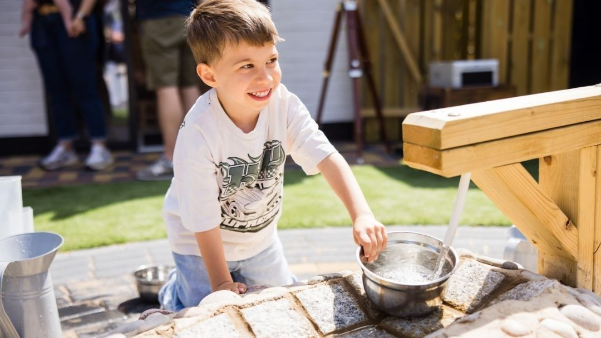
School readiness isn't about children reaching a certain academic level before they start Reception. It's about developing the foundations that help them feel comfortable in a new environment and take part in school life.
The Early Years Foundation Stage (EYFS) recognises that children's development spans several areas, including communication and language, personal, social and emotional development, and physical development. These areas are closely connected. For example, a child who can communicate when they need help may find it easier to navigate an unfamiliar situation, while growing independence can help them feel more confident trying something new.
Every child develops at their own pace, so there isn't one set of skills that every child must master before their first day. Some children may feel confident speaking to new people, while others need more time to settle into unfamiliar surroundings. Both can continue developing these abilities with support from the adults around them.
“School readiness is more about life readiness. It's more important that they feel comfortable within themselves. Helping them develop the core life skills that will support them in school but will also support them in life beyond the next step.” says Polly, Senior Manager at Fennies Nurseries.
The aim is to give children opportunities to practice the skills they'll use throughout the school day, helping them approach new experiences with growing confidence.
The skills that help children feel ready for school
Children use a range of skills throughout the school day, from managing their belongings to asking for help when they need it. These develop gradually through everyday experiences and opportunities to practice.
Independence and self-care
Children can build independence by practicing how to:
- Put on their coat and manage buttons or zips.
- Use the toilet and wash their hands.
- Manage cutlery and open food packaging at mealtimes.
- Look after their belongings.
Communication and social skills
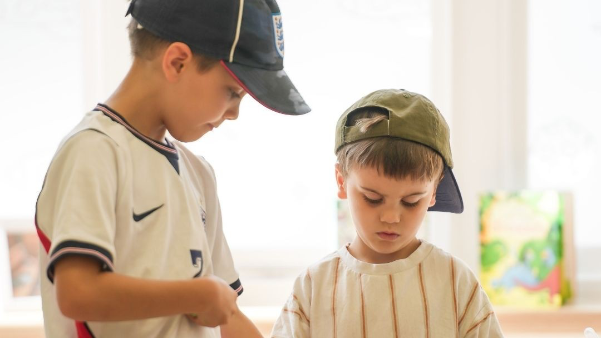
Good communication helps children express themselves and build relationships. Everyday opportunities include:
- Telling an adult when they need help.
- Listening when someone else is speaking.
- Sharing resources and taking turns during play.
- Expressing their ideas and feelings using words.
Emotional confidence and resilience
Children need time and support to understand their feelings and navigate challenges. They can develop these skills by:
- Recognising and communicating how they feel.
- Asking a trusted adult for support when something is difficult.
- Trying again when an activity doesn't go to plan.
- Beginning to manage frustration with adult guidance.
Curiosity and a willingness to learn
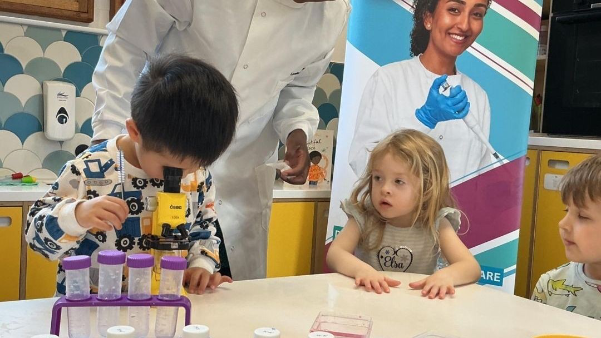
Feeling ready to learn means being able to explore new experiences without needing to get everything right. Children can develop this through opportunities to:
- Ask questions about the world around them.
- Explore different materials and discover how things work.
- Focus on an activity for short periods.
- Experiment with different approaches to solve a problem.
Children don't need to master every skill before starting Reception. These are foundations they can continue developing with support from the adults around them.
How Fennies builds these skills every day
At Fennies, our practitioners look for opportunities to build children's confidence and independence throughout the day. Their approach is guided by each child's development, giving them the right support as they take their next steps.
Knowing when to step in
Children benefit from having time to work things out for themselves. Practitioners offer encouragement or a gentle prompt when needed, helping children develop confidence without taking over.
Building on individual progress
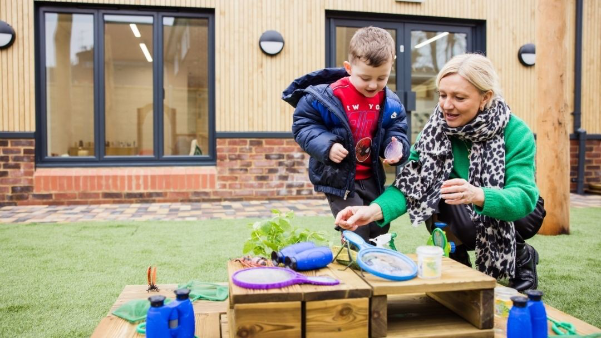
Every child develops differently. Practitioners observe how children respond to new experiences and use these observations to plan opportunities that build on their interests and emerging abilities.
Making progress meaningful
Small steps matter. Whether a child begins speaking up in a group or feels more comfortable trying something unfamiliar, practitioners recognise this progress and encourage them to keep developing at their own pace.
The aim isn't to get every child to the same point at the same time. It's to help each child develop the foundations they'll continue building on when they start school.
How can parents build school readiness at home?
Everyday routines and play offer plenty of opportunities for children to practise the skills they'll use at school. Try these simple activities at home:
1. Practice everyday independence
What you'll need: Your child's coat, shoes or a simple snack.
What to do:
- Invite your child to put on their coat or shoes independently.
- Give them time to work out buttons, zips or fastenings.
- Encourage them to try before offering help.
Mastery Moment: Building independence and self-care skills.
Parent tip: Break the task into smaller steps if needed. Recognise their effort rather than expecting them to get everything right first time.
2. Play a turn-taking game
What you'll need: A simple board game, a puzzle or a ball.
What to do:
- Choose a game you can play together.
- Take turns and encourage your child to wait while someone else has a go.
- Talk about what it means to listen, share and include others.
Mastery Moment: Developing communication and social skills.
Parent tip: Keep the game relaxed and adapt it to your child's age. Focus on enjoying the interaction rather than following every rule perfectly.
3. Solve a building challenge
What you'll need: Building blocks, cardboard boxes or other safe construction materials.
What to do:
- Challenge your child to build a tower or create a bridge for their toys.
- If it falls or doesn't work, ask what they could try differently.
- Give them time to experiment with their own ideas before stepping in.
Mastery Moment: Encouraging problem-solving and resilience.
Parent tip: Try asking, “What else could we try?” This encourages your child to think through the challenge while knowing you're there to support them.
Helping children take their next steps
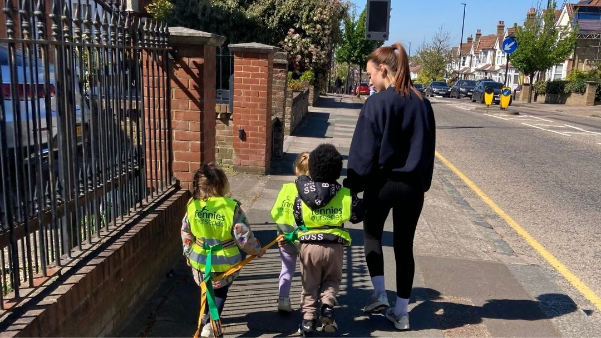
School readiness develops through the small moments that make up everyday life. Each time a child tries something independently, asks for help or keeps going when something feels difficult, they're building skills that will support them in Reception.
At Fennies, our practitioners work alongside families to nurture these foundations, recognising each child's progress and giving them the confidence to take their next steps. With encouragement at nursery and at home, children can approach the move to school feeling more secure in what they can do and ready to keep learning.
FAQ
Children can benefit from developing communication skills, emotional confidence and independence before starting Reception. Being able to express their needs and build relationships can help them feel more comfortable in a new environment. Every child develops at their own pace, so there is no single checklist they must complete.
No, that isn’t a necessity. Children are not expected to have mastered reading and writing before starting school. Reception teachers support early literacy and numeracy through age-appropriate activities and everyday experiences. Enjoying stories, talking together and exploring mark-making can help children develop an interest in learning.
Give your child regular opportunities to practice everyday tasks, such as putting on their coat, using the toilet and washing their hands. Allow time for them to try things themselves, offering help when needed. Small steps can make a difference to their confidence.
Playing with other children can help your child practice sharing and communicating their ideas. Simple games at home can also provide opportunities to listen, cooperate and manage small disagreements with adult support.
Children develop at different rates, and school readiness isn't about meeting every milestone by a set age. Focus on supporting your child's individual needs and talk to their nursery practitioners if you have concerns. They can share observations about your child's development and help you identify areas where extra support may be useful.
Subscribe to our newsletter
Stay up to date with Fennies news
Related posts
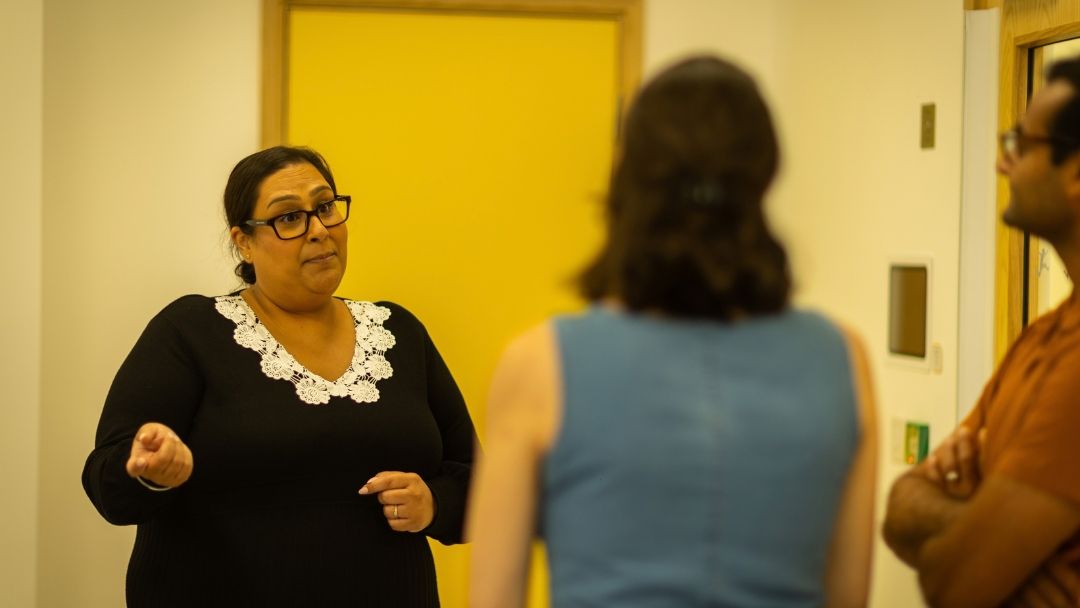
Meet the Senior Manager: Polly from Fennies Beckenham, Kings Hall Road

What is an early years practitioner and why are they so important?

Inside Fennies preschool rooms: Designed to build school readiness every day
The skills that matter most before starting school (And how we build them every day)
How parents and nurseries can work together to prepare children for school

Everything parents need to know before starting reception
What should my child know before starting Reception? How Fennies Richmond prepares children