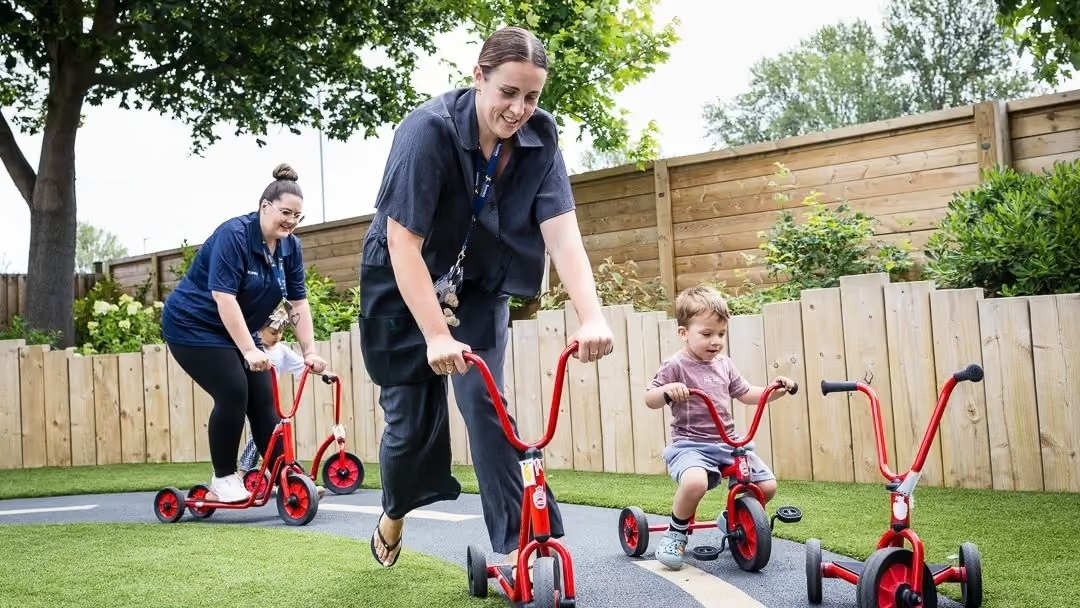
A preschool room is more than a place for children to play. The spaces they move through and the resources they can access each day contribute to their learning and development.
At Fennies, our Inventors rooms for children aged three and over are designed to encourage curiosity and independence. Accessible sinks help children practice everyday hygiene, while construction areas give them the freedom to experiment and work through challenges.
These experiences are part of everyday life at nursery, helping children develop skills that will support them as they move towards Reception.
An environment that designed for independence
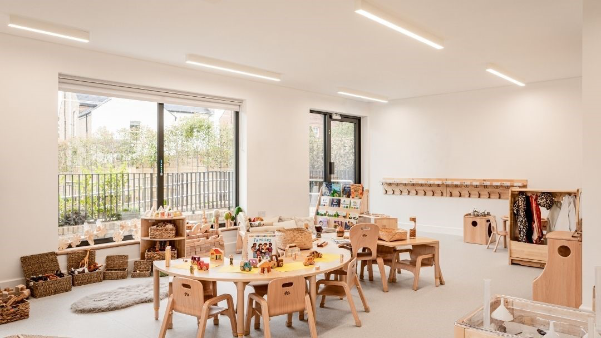
Small details in a preschool room can give children more opportunities to manage everyday tasks for themselves. At Fennies, our Inventors’ environments are designed to help children practice these skills as part of their normal nursery day.
- Accessible sinks: Children can practice washing their hands independently, becoming more familiar with everyday hygiene routines.
- Pegs for coats and bags: Having a designated place for their belongings encourages children to put things away and take pride over the ownership of items.
These experiences may seem small, but regular opportunities to try things for themselves help children grow in confidence and be more creative. Practitioners offer support when needed, giving children time to have a go without feeling they must get everything right first.
Resources that encourage problem-solving
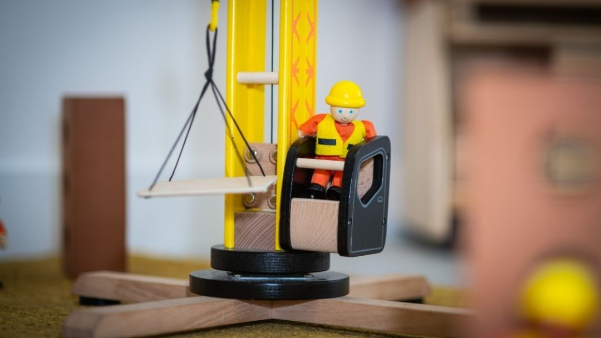
Children need opportunities to work things out for themselves, rather than always being shown what to do. The resources in our Inventors rooms give children the freedom to experiment and discover different ways to approach a challenge.
Construction areas are a good example. As children build with different materials, they can explore what happens when they change their approach. If a structure falls over, they have the chance to consider why and try again.
Practitioners can support this learning by asking open questions, such as “What could you try differently next time?” This encourages children to think through a problem and develop their own ideas, rather than relying on an adult to provide the answer.
Room to explore and follow their interests
Children learn through exploring what interests them. In the preschool rooms, the children are given free-flow access to outdoor learning environments, so they have more choice over where they play and learn, so they take more ownership in their learning by deciding what they want to investigate.
Moving between indoor and outdoor spaces allows children to follow their ideas as they develop. They might take an interest in something outside and decide to explore it further, with practitioners there to encourage their questions and support their learning.
Having the freedom to make choices helps children take an active role in their learning, building the curiosity and confidence they can carry with them as they approach Reception.
The role of our practitioners
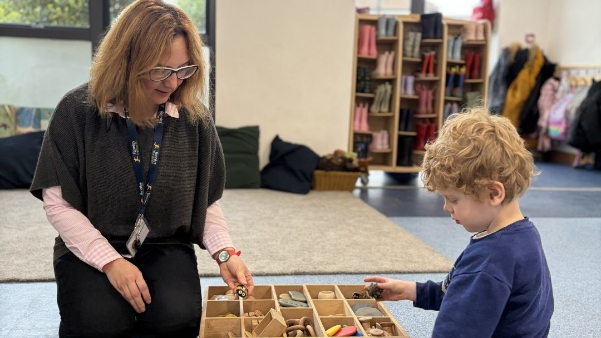
A thoughtfully designed room is only part of the picture. Our practitioners play an important role in how children experience the environment, considering how to use the space and its resources to support their learning.
This can look different throughout the day:
- Following children's interests: Practitioners pay attention to what captures children's attention and use this to inform the experiences and resources they offer.
- Knowing when to step in: Rather than immediately providing an answer, practitioners can give children time to explore an idea, offering guidance when it's needed.
- Making learning meaningful: Everyday moments can become opportunities to extend children's thinking, whether through a question, a conversation or introducing a new resource.
By combining a meticulously created environment with responsive support, our practitioners help make learning part of everyday life at Fennies.
Designed for the next step
School readiness develops through the experiences children have every day. At Fennies, our thoughtfully designed environments give children space to explore their interests and practice new skills as they approach their move to Reception.
From accessible everyday resources to spaces that invite children to investigate their own ideas, the environment plays an important role in preparing children for the next stage of their learning.
We’re not only preparing children for Reception, we’re preparing the next generation for life ahead.
FAQ
A thoughtfully designed preschool environment gives children opportunities to practice everyday skills through play and exploration. Accessible resources and spaces for different activities can encourage children to try things independently and become more confident in their learning.
The layout can influence how children interact with their surroundings and use the resources available to them. When spaces are arranged with children's needs in mind, they can explore their interests and take a more active role in their learning.
In our Inventors rooms, features such as accessible sinks and designated pegs for coats and bags give children opportunities to practice everyday routines. With support from practitioners when needed, children can gradually become more confident in managing these tasks.
Construction areas give children opportunities to experiment with different materials and work through challenges. For example, if a structure falls over, they can try a different approach and see what happens. These experiences encourage problem-solving and help children develop confidence in their own ideas.
Practitioners help make the environment meaningful by observing children's interests and considering how the space and resources can support their learning. They can introduce new materials, ask questions or offer guidance when needed, while giving children time to explore for themselves.
Subscribe to our newsletter
Stay up to date with Fennies news
Related posts
Meet the Senior Manager: Polly from Fennies Beckenham, Kings Hall Road

What is an early years practitioner and why are they so important?

Inside Fennies preschool rooms: Designed to build school readiness every day
The skills that matter most before starting school (And how we build them every day)
How parents and nurseries can work together to prepare children for school
Everything parents need to know before starting reception
What should my child know before starting Reception? How Fennies Richmond prepares children