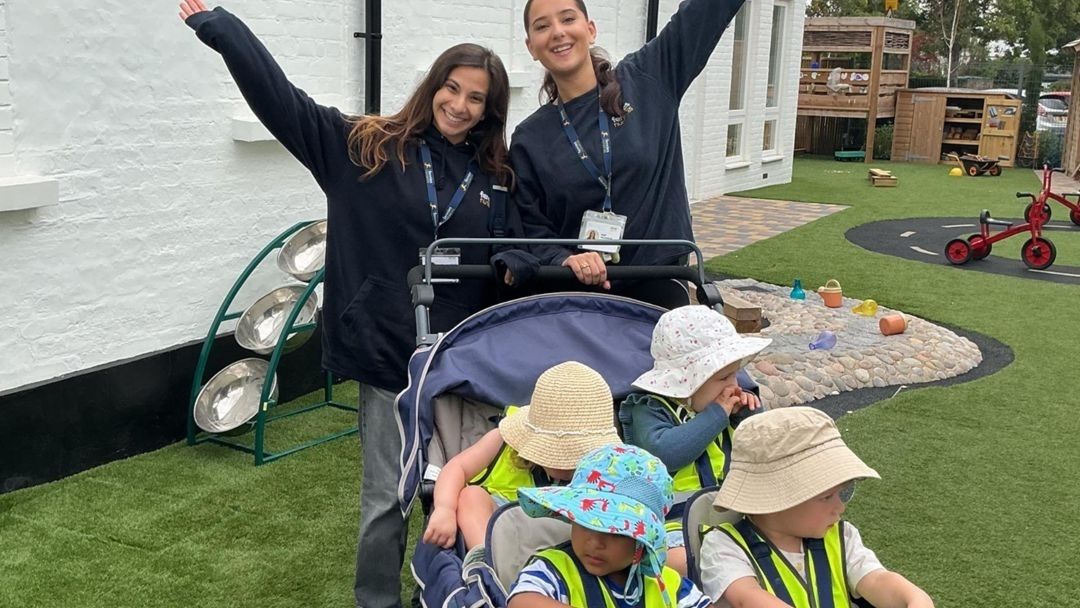
The words we use with children can shape how they see themselves.
A simple comment such as “You worked really hard on that” can help a child recognise their own effort, while acknowledging their feelings can help them feel understood when something feels difficult. Research from the Center on the Developing Child at Harvard highlights the importance of responsive relationships and children feeling valued in building confidence and resilience. (1)
At Fennies, positive affirmations are part of these everyday interactions. They are not about telling children they are “amazing” at every opportunity. Instead, our practitioners use specific, meaningful language to recognise effort and help them understand what they are capable of.
This can be especially valuable when something feels difficult. A child who hears that their effort has been noticed begins to understand that trying matters, even when the outcome isn't quite what they hoped for.
Why do positive affirmations matter in the early years?
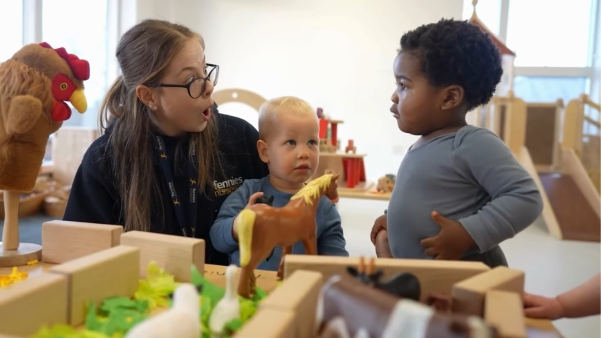
Positive affirmations can help children recognise their own effort and develop confidence in what they can do.
The most meaningful affirmations are specific and connected to the moment. Rather than simply saying “Well done”, an adult might say, “You kept trying when your tower fell down.”
This helps children understand exactly what the adult has noticed. Over time, these small moments can support a more positive sense of themselves and their abilities.
How do practitioners support children through difficult emotions?
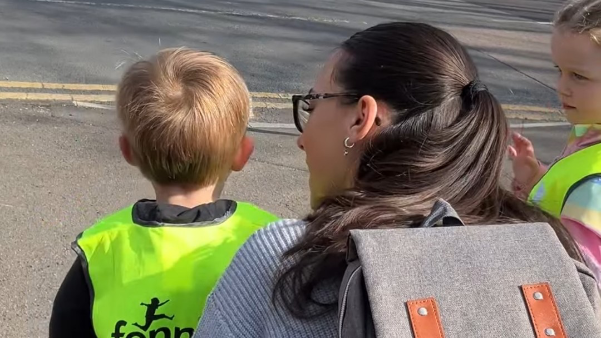
Positive affirmations are only one part of how adults help children develop confidence and resilience. When a child is overwhelmed by a big feeling, they often need an adult alongside them to help them understand what is happening.
At Fennies, this means co-regulating with children. Practitioners support children through the feeling until they are ready to move forward.
Validating feelings while setting boundaries
Children can have strong feelings, but that doesn't mean every response is appropriate.
A practitioner might say: “I can see you are angry. It’s okay to feel angry, but it’s not okay to hurt someone.”
This helps the child understand that their feeling is accepted while the behaviour still has a clear boundary.
Helping children find a way through
Once a child feels calmer, adults can help them think about what happened and what they could do next time.
This might mean noticing how an emotion feels in their body, finding a calmer response or knowing when to ask an adult for help.
Sometimes a simple breathing strategy can help. At Fennies, children might breathe in and then slowly breathe out across their fingers, counting from one to five.
Giving children these experiences helps them learn that difficult feelings can be managed with support.
Why do positive relationships matter?

Children are more able to explore and learn when they feel safe, understood and supported by the adults around them.
At Fennies, practitioners build positive relationships through everyday interactions. Listening carefully to children and responding to what they say gives them opportunities to feel heard and valued.
This matters when using positive affirmations too. An affirmation carries more meaning when it comes from an adult who knows the child well and understands what they are experiencing.
Research from Harvard’s Center on the Developing Child highlights the importance of responsive relationships with caring adults in supporting children’s emotional wellbeing and development. (1)
Positive affirmations in action at Fennies
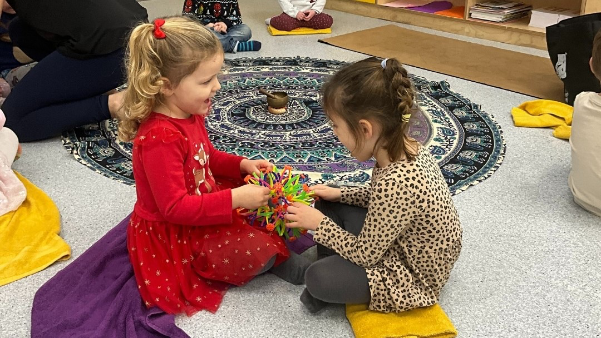
At Fennies, practitioners use positive affirmations naturally throughout the day, particularly when a child is finding something difficult.
Imagine a child building a tower. It keeps falling down, and they are starting to feel frustrated. Rather than waiting until the tower is finished to praise the result, a practitioner might notice their effort in that moment and say:
“You are really hard working.”
The child is hearing the affirmation while they are demonstrating that quality. When they eventually build their tower, they can begin to connect that feeling of achievement with the effort they showed along the way.
This is why the timing of an affirmation matters. It gives children an opportunity to recognise something positive about themselves while they are experiencing it.
“When we notice a child’s effort in the moment, we help them recognise that quality in themselves. They can start to see that being hardworking or persistent is part of who they are.” says Paula Alvarez Rodriguez, Regional SENDCO and Inclusion Manager at Fennies
How can parents use positive affirmations at home?
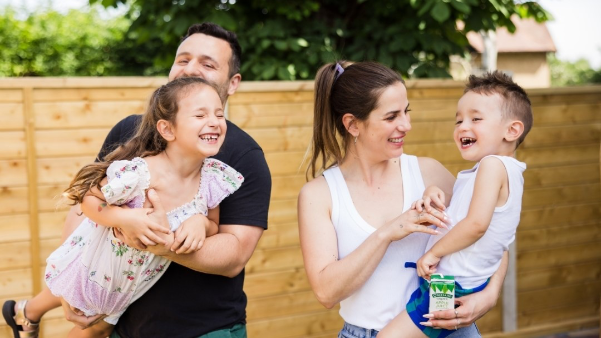
Positive affirmations can become part of everyday moments at home. The key is to notice what your child is doing and describe it specifically, rather than relying on general praise.
You could try phrases such as:
- “You kept trying when it was difficult.”
- “You were really patient while you waited.”
- “You worked hard to finish that.”
- “You were brave trying something new.”
Try to say the affirmation as the moment is happening, rather than only celebrating the finished result. This helps your child connect the words with their own experience.
Simple activities to build confidence and emotional resilience at home
Positive affirmations don't need to be a separate activity. Everyday play can create opportunities to talk about feelings, effort and what children are capable of.
Try an emotions photo activity
Find a photo of someone showing an emotion and talk about what might be happening.
Ask:
- “How do you think they are feeling?”
- “What might have happened?”
- “What could they do to feel better?”
Mastery Moment: Recognising and talking about emotions
Parent tip: Use someone else’s photo so your child can explore difficult feelings without feeling as though the conversation is about them.
Build something together
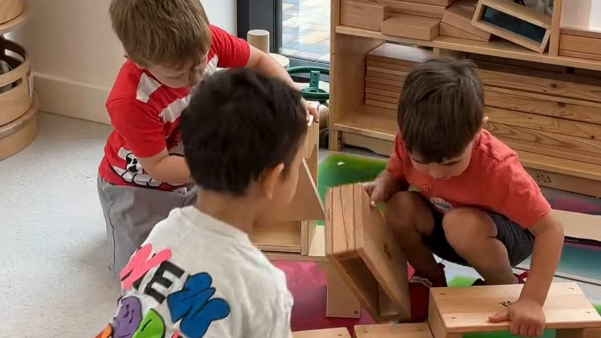
Build a tower using blocks, boxes or anything you have at home. If it falls, notice how your child responds rather than immediately fixing it for them.
You could say, “You kept trying when it fell down.”
Mastery Moment: Perseverance and problem-solving
Parent tip: Let your child take the lead and give them time to work out what they want to try next.
Create a family achievement jar
Keep a jar where you add small notes about things your child has worked hard at. These don't need to be big achievements. They could be moments when your child tried something new or kept going when something felt tricky.
Mastery Moment: Recognising personal progress
Parent tip: Read a few notes together when your child needs a reminder of what they can do.
FAQ
Positive affirmations are encouraging statements that help children recognise their qualities, effort or progress. They are most effective when they are specific to what a child is doing or experiencing.
Specific affirmations can help children recognise their own strengths and effort. This can support a more positive sense of what they are capable of.
Start by acknowledging how they are feeling. You might say, “I can see you are angry. It’s okay to feel angry, but it’s not okay to hurt someone.” Once they are calmer, you can help them think about what might help next time.
“Well done” is positive, but it doesn't tell a child what they have done well. Try being more specific, such as “You kept trying when that felt difficult.”
Positive affirmations can be used throughout the day, particularly when you notice a child making an effort, showing persistence or trying something new. The most meaningful comments are connected to what is happening in that moment.
Subscribe to our newsletter
Stay up to date with Fennies news
Related posts
What should my child know before starting Reception? How Fennies Richmond prepares children
How can I prepare my child for school? How Fennies Richmond supports school readiness

When should my baby start nursery? A parent's guide in Wimbledon

Meet the team at Fennies Twickenham: The people behind our nursery

Why I chose a career in early years: Mariana's story
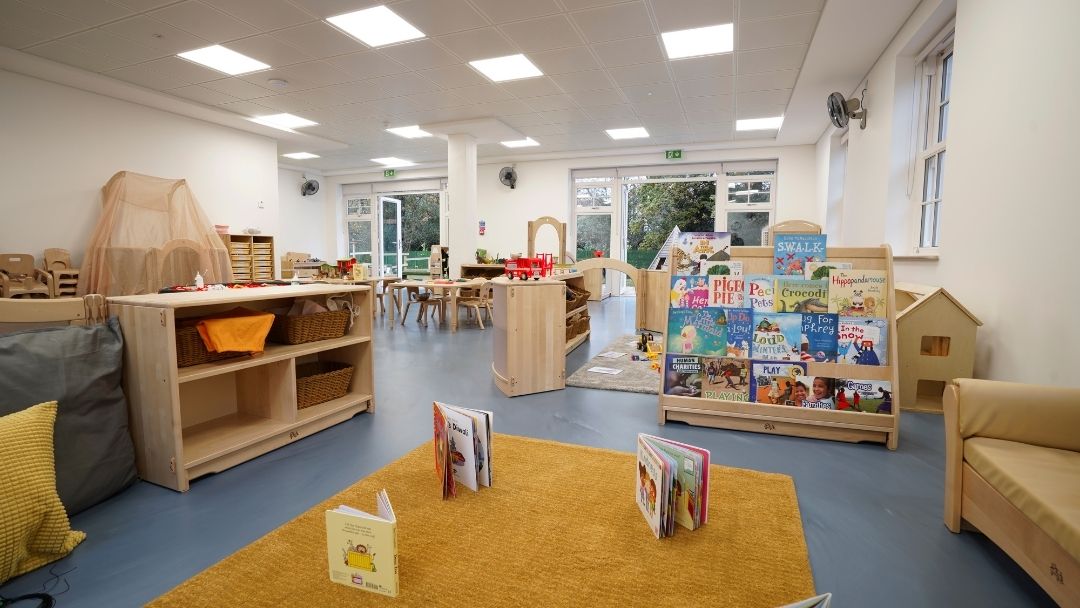
How nursery environments can support children’s emotional wellbeing
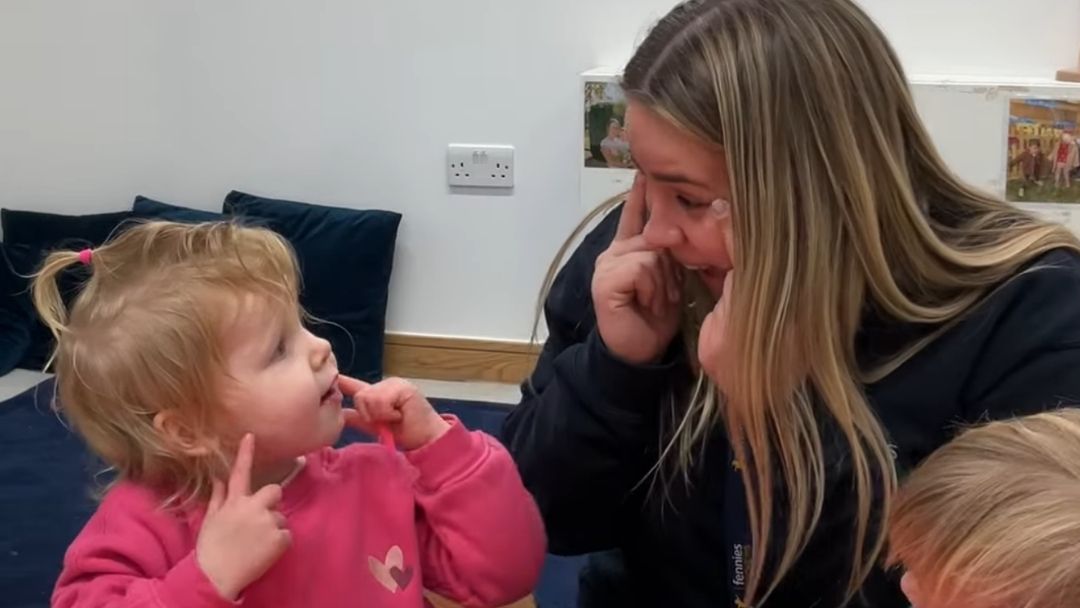
How Fennies Nurseries uses positive affirmations to build children’s confidence and resilience