
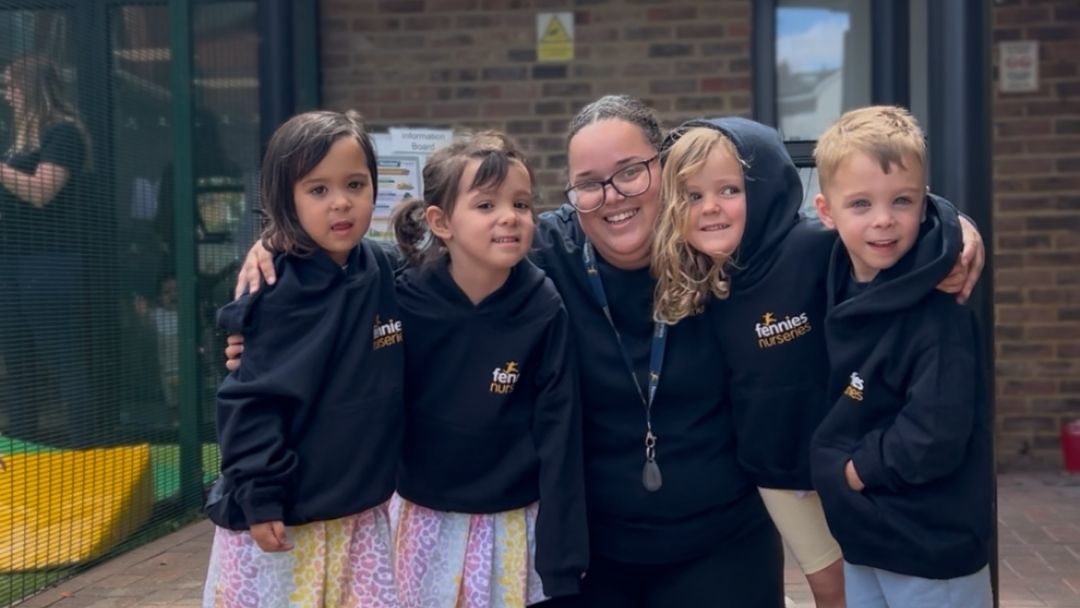
One minute your child is happily playing, and the next they might be crying or getting a bit overwhelmed. Big emotions can be difficult for children to understand and possibly even harder for parents to know how to respond to.
In the early years, children are still learning how to recognise their feelings, communicate them and manage what happens when those feelings become too much. A big emotional reaction is often part of this learning process, rather than a sign that your child is being deliberately difficult.
The good news is that emotional regulation is a skill that develops over time. With the right support, children can gradually learn to understand what they’re feeling and find ways to express their emotions when things feel overwhelming.
In this guide, we explore why young children experience big emotions and share practical ways you can support your child, both during difficult moments and in everyday life.
What are big emotions?
Big emotions are strong feelings that can sometimes feel overwhelming for young children. Anger, frustration, sadness, excitement and fear can all lead to big reactions while children are still learning how to understand and express what they feel.
A big emotion might look like:
- Crying or shouting
- Throwing or hitting
- Withdrawing or becoming very quiet
- Struggling to explain what is wrong
Big emotional reactions are a normal part of early childhood, and learning to manage them takes time.
Research suggests that 91% of children aged 30-36 months experience more intense reactions to their emotions, highlighting how common intense emotional reactions are during the toddler years. (1)
Why do children experience big emotions?
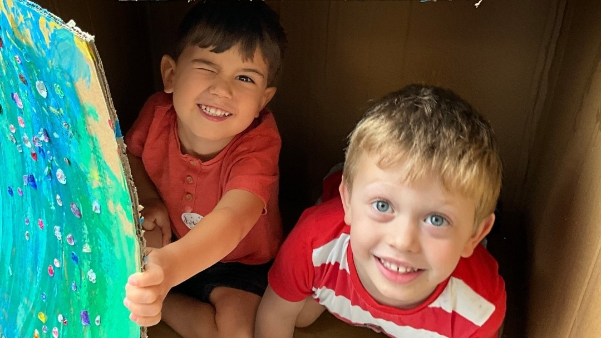
Young children are still learning how to understand their feelings. Because these skills are still developing, there’s a valid reason why strong emotions can sometimes feel overwhelming.
Their brains are still developing
The skills children need to manage impulses and regulate emotions develop gradually through relationships, experiences and practice. While we are not born with these skills, we all can develop these key skills to aid our decision making and information management later down the line. (2)
This means at an early age, a child may begin to know what a boundary is but still struggle to follow it when they are feeling overwhelmed.
Everyday experiences can feel overwhelming
Tiredness, hunger, changes in routine, moving between activities, busy environments. All of these can make big emotions more likely to come out. Even something that seems small to an adult, such as stopping a favourite activity, can feel significant to a young child.
Understanding these triggers can help us respond with patience and support.
How can you help your child manage big emotions?
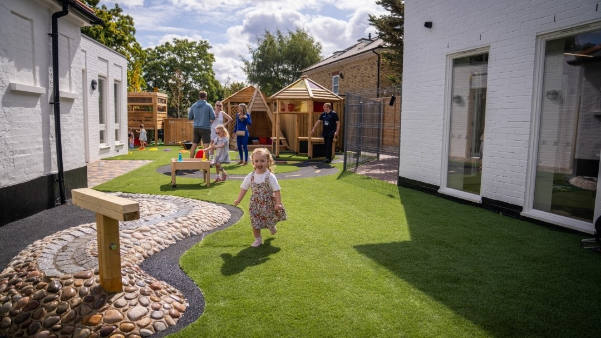
There are lots of ways you can support your child as they learn to understand and manage their emotions. What matters most is giving them calm, consistent support while these skills are still developing.
Name and acknowledge their feelings
Helping children put words to their emotions can make them easier to understand. You can name what you notice without trying to immediately change how they feel.
- “I see you are upset.”
- “You’re feeling frustrated.” or “You’re feeling cross.”
- “You wanted to do it yourself.”
Over time, giving children this vocabulary that they can use can help children communicate their feelings more confidently and securely, rather than expressing them through their behaviour.
Talk about emotions when they're calm
Big emotional moments are not always the best time to talk things through. When your child is calm, use everyday opportunities to talk about feelings. Books, stories and play can all help children explore different emotions in a way that feels safe and familiar.
Model emotional regulation or co-regulate with them
Children learn by watching the adults around them. Letting your child see how you manage your own emotions can show them that strong feelings are normal and can be handled safely.
You might say, “I’m feeling frustrated, so I’m going to take three breaths.”
Sometimes, a trusted adult staying alongside the child can help make those more difficult moments more manageable for both parties. Co-regulation is a great way to assist a child. By staying alongside them and helping them understand what they are feeling, it gives them the support they need until they feel ready to move forwards.
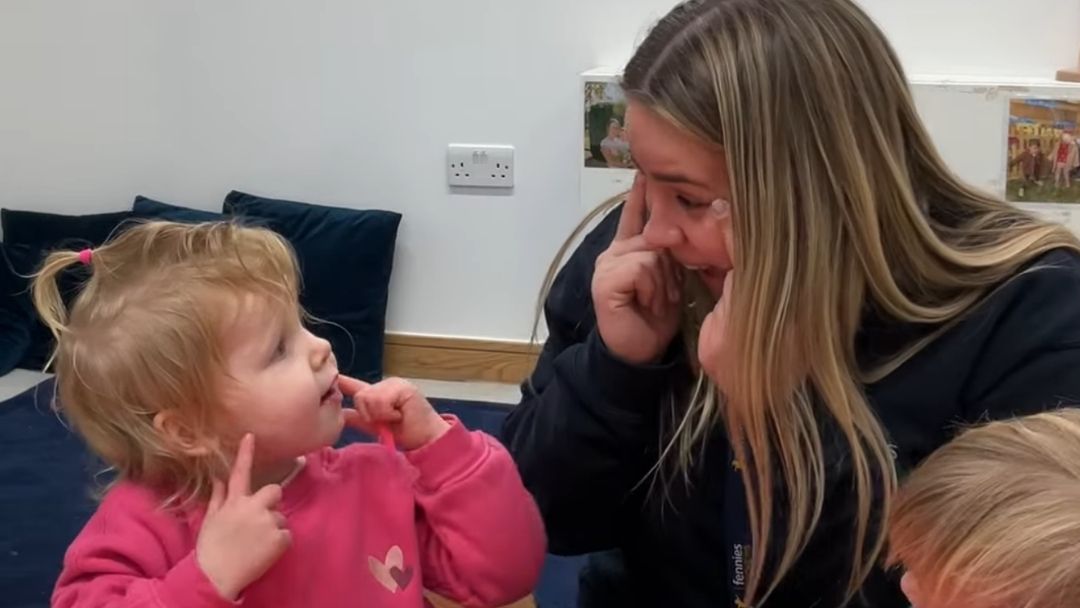
As Paula, Regional SENDCO and Inclusion Manager, explains: “Children cannot always regulate their emotions independently at this age. Co-regulation means being there with them and supporting them through the feeling.”
What should you do during a big emotional moment?
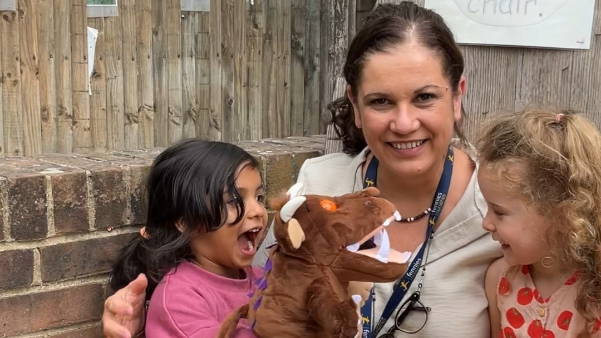
When a child is overwhelmed, they may not be ready to listen, reason or talk through what has happened straight away. Your priority is to help them feel safe and supported while keeping the situation calm.
- Stay calm - Your child will take cues from you. Try to keep your voice calm and your response steady.
- Use simple language - Use short, reassuring phrases rather than lots of questions or explanations
- Hold clear boundaries - You can be understanding while still being clear about boundaries to keep both you and your child feel safe and secure.
How can you help children build emotional regulation skills?
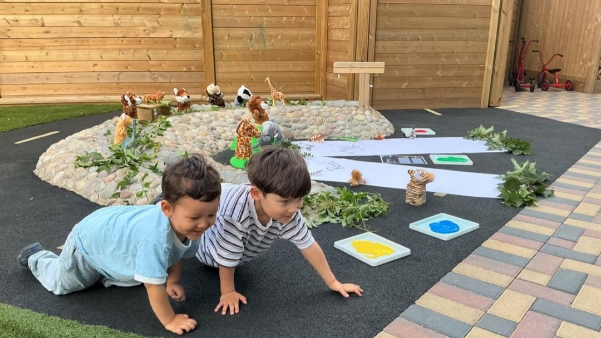
Emotional regulation is something children practice every day, without even realising it. You can help build these skills through ordinary moments at home, without needing to turn them into specific activities. Why not try:
- Practicing simple breathing: Blow bubbles. Pretend to smell a flower. Take slow breaths together when your child is calm. This gives them a strategy they can begin to use when emotions feel on the bigger side.
- Using stories and role play: Talk about how characters might be feeling and what they could do when they are upset, angry or worried.
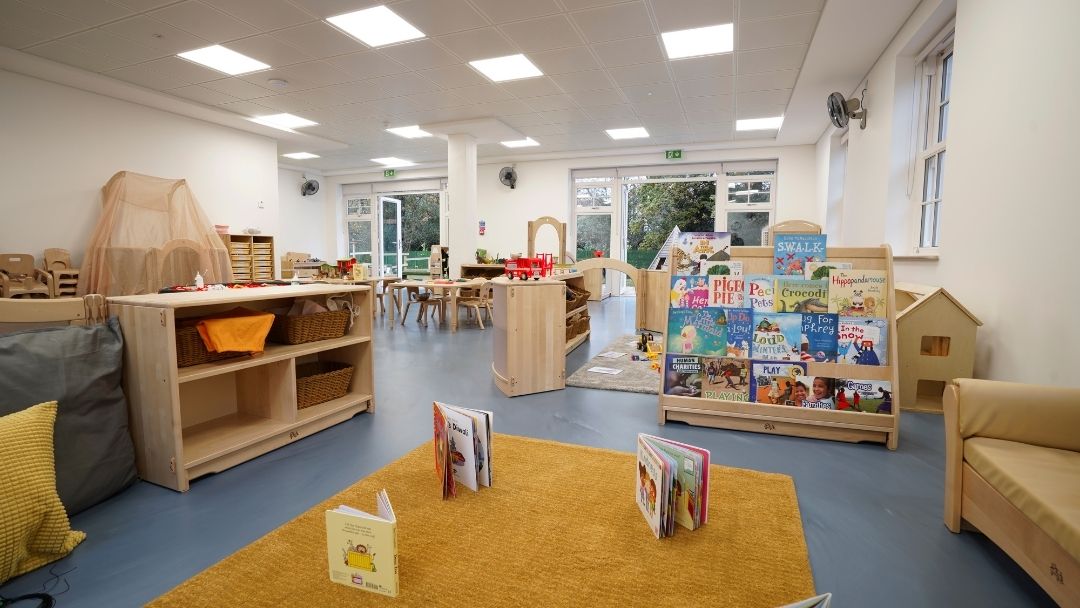
- Creating a calm space: An area with familiar books or soft furnishings can give your child somewhere to take a break when they feel overwhelmed.
- Making time for physical play: Running, dancing and outdoor play can give children opportunities to release energy and support their ability to regulate themselves.
The aim isn't for children to always stay calm. It is to give them safe opportunities to practice recognising their emotions and finding ways to manage them. These skills will continue to develop as they grow, supporting children as they become more independent and prepare for school.
5 tips for helping children manage big emotions
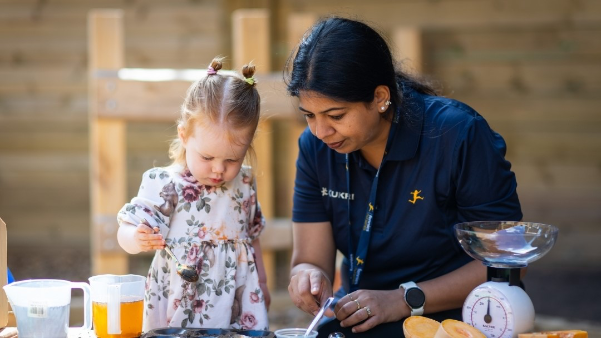
Supporting your child through big emotions is something that happens over time. These simple habits can make a difference:
1. Give feelings a name
Use simple words to help your child understand what they are feeling, especially when they are calm.
2. Keep routines predictable
Knowing what is coming next can help children feel more secure, particularly around any changes.
3. Prepare for transitions
Give your child a little warning before moving on from something they enjoy. A simple “five more minutes, then we’re going home” can go a long way.
4. Stay close during difficult moments
Your child may need your calm presence before they are ready to listen or talk. Let them know you are there.
5. Praise their attempts to regulate
Notice when your child uses words, asks for help or begins to calm themselves. Positive encouragement helps them recognise what they can do when emotions feel big.
Supporting emotional development at Fennies
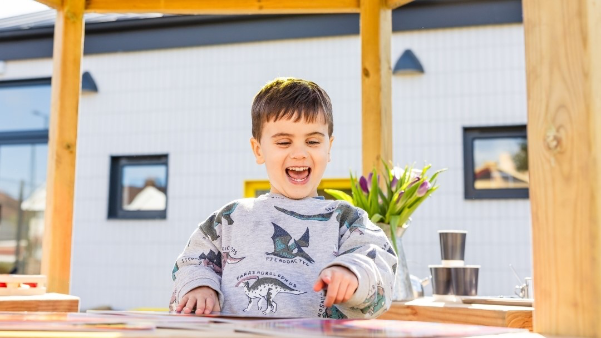
At Fennies, we know that learning to manage big emotions takes time. Our teams create safe, supportive environments where children can build relationships and practice emotional regulation throughout the day.
Right from the very beginning, they build secure bonds with their key person. We have cosy corners where children can take a moment of peace and quiet to help regulate those bigger emotions. This is part of daily life at Fennies. It helps children feel understood, whilst they develop core life skills that will prepare them for school and life beyond that.
Big emotions are a normal part of growing up. With patience, understanding and the right support, children can gradually learn that their feelings are manageable and that they have ways to cope with them.
FAQ
Big emotions are strong feelings that can be difficult for young children to manage. They might show these feelings through crying, shouting, becoming withdrawn or displaying physical behaviour such as hitting or throwing.
Stay calm, acknowledge how they are feeling and keep your language simple. Your child may need some time and space to settle before they are ready to talk about what happened.
What feels small to an adult can feel significant to a young child. Tiredness, hunger, changes to their routine or frustration when something does not go their way can all make emotions feel bigger.
Yes. Talking about emotions when your child is calm helps them build the language they need to understand and communicate how they feel. Books, play and everyday conversations can all be good opportunities to do this.
A supportive early years environment gives children regular opportunities to build relationships, communicate their feelings and practise emotional regulation. Trusted adults, predictable routines and calm spaces can all help children feel secure while developing these skills.
Subscribe to our newsletter
Stay up to date with Fennies news
Related posts
What should my child know before starting Reception? How Fennies Richmond prepares children

How can I prepare my child for school? How Fennies Richmond supports school readiness

When should my baby start nursery? A parent's guide in Wimbledon

Meet the team at Fennies Twickenham: The people behind our nursery

Why I chose a career in early years: Mariana's story
How nursery environments can support children’s emotional wellbeing
How Fennies Nurseries uses positive affirmations to build children’s confidence and resilience