.png)
Who says learning can't be fun? In the vibrant world of nursery settings, young children embark on a delightful journey of discovery, growth and joy. Parents or Early Years practitioners are always on the lookout for activities that are both engaging and educational. These activities lay the foundation for the child's cognitive, emotional and physical development. If you're seeking ideas that blend play with early learning, you're in the right place.
What are the essential ingredients to crafting an enriching nursery experience that sparks curiosity and fosters early years development?
Key Takeaways
- Discover the power of music and movement in early childhood development
- Explore how creative arts and crafts can boost imagination and motor skills
- Learn the art of storytelling and role play for fostering empathy and communication
- Uncover the benefits of outdoor nature exploration for physical and cognitive growth
- Dive into sensory play activities that stimulate curiosity and creativity
Musical Play For Young Children
Music is a magical tool that can captivate a young child and ignites their passion for learning. In a nursery setting, musical play can really boost a child's early development. From simple rhythms to complex melodies, music and movement offer myriad opportunities for growth.
Instruments, whether as simple as a tambourine or as complex as a xylophone, stimulate curiosity and creativity. When children engage with instruments, they hone their fine motor skills and tap into their creative potential. Watching toddlers explore different sounds can be delightful for nursery staff, seeing their faces light up.
Singing isn't just about hitting the right notes; it's a powerful tool for language development. Songs help children learn new words, improve pronunciation and express emotions. By incorporating singing into circle time, you create a nurturing environment that boosts both language skills and emotional expression.
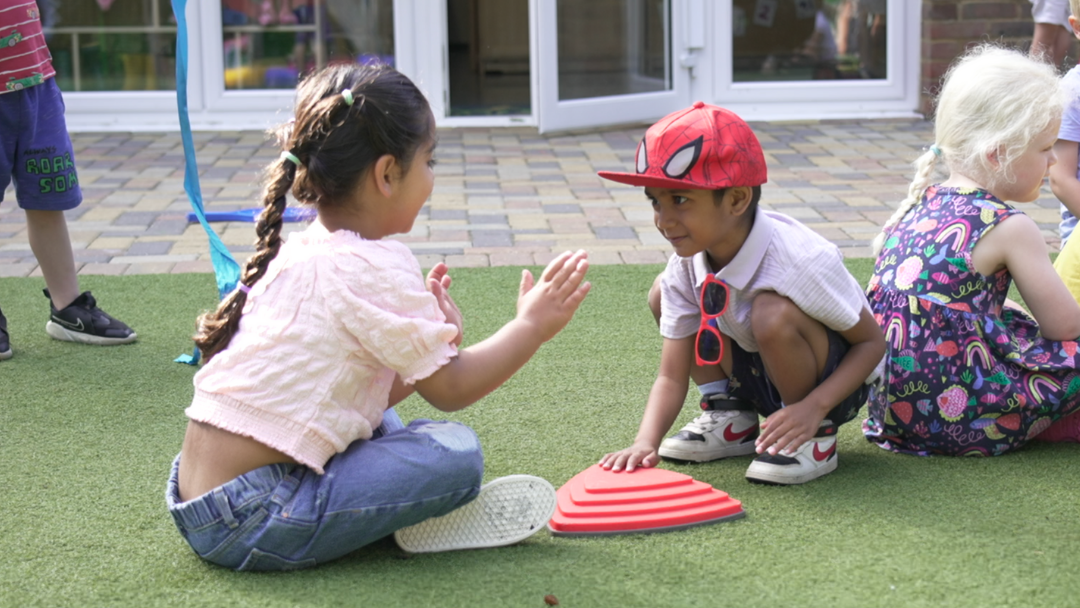
Rhythm activities, like clapping games or drumming, boost coordination and listening abilities. These activities encourage your child to follow patterns and rhythms, enhancing their observation skills and focus. Plus, they provide a fantastic opportunity for younger aged children to work together, fostering social skills and cooperation.
Dance, on the other hand, is a joyous expression of physical development and social interaction. Circle Time with dance allows children to move freely around the circle, promoting physical fitness and social bonding. The energy and excitement during these circle sessions are contagious, making them a favourite among Early Years children.
Creative Arts, Crafts, Building And Construction Ideas For Your Child
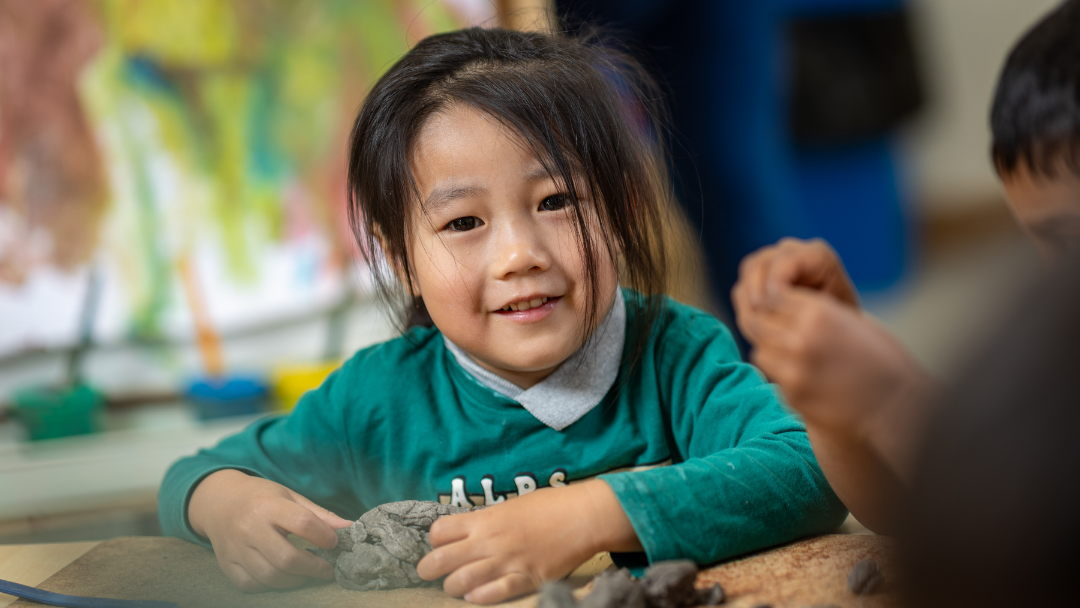
Creative arts and crafts are more than just a pastime; they're a gateway to imagination and self-expression. In a day nursery, these activities serve as a canvas for your child to explore their creativity.
Art projects, from 'Painting and Drawing' to 'Building and Construction', allow children to express their thoughts and emotions. These creative activities help little ones communicate in ways words often can't capture, fostering emotional development and self-awareness.
Crafting and assembling with shapes such as circles, enhances fine motor skills and hand-eye coordination. As children engage in these activities, they develop the dexterity required for writing and other tasks. Plus, the colourful world of crafts, filled with various textures, stimulates sensory exploration and creativity.
Group activities, such as collaborative murals or constructing models, foster teamwork and communication skills. When children work together, they learn to share, take turns and appreciate different perspectives. These experiences build a strong foundation for social interactions in later life.
Displaying artwork builds confidence and a sense of achievement. Seeing their creations on display reinforces the value of their efforts and encourages them to take pride in their work. It's a simple yet effective way to boost self-esteem and motivate children to continue exploring their creative potential.
Storytelling And Role Play Tips For Parents
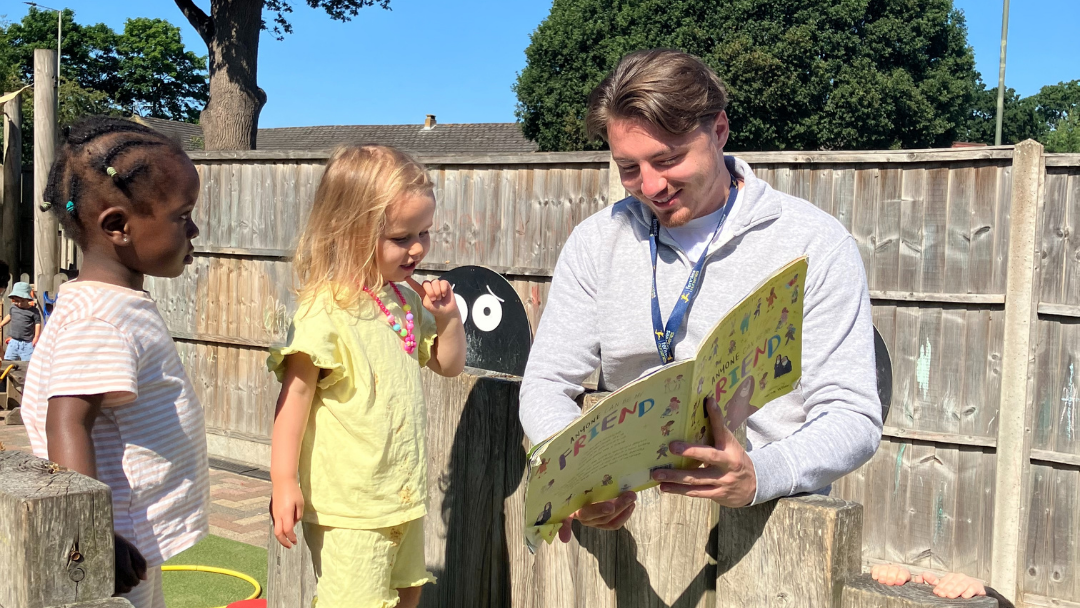
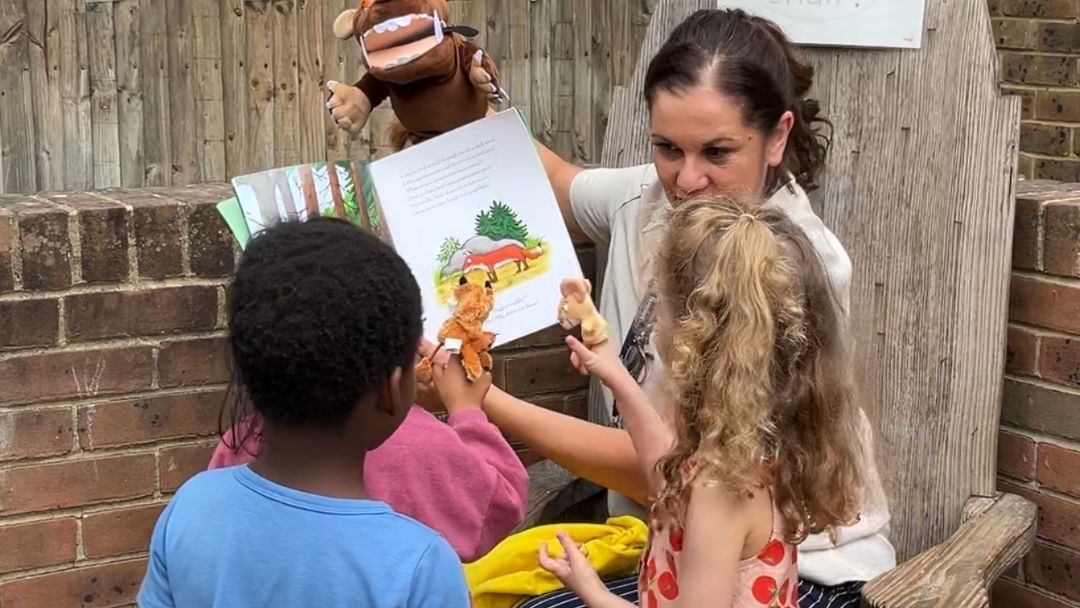
Storytelling and role play are enchanting tools that capture preschool children's imagination and transport them to different worlds. These activities play a crucial role in early childhood development by nurturing empathy, communication and social skills.
Storytelling captivates young minds, allowing them to explore new ideas and scenarios. Through engaging narratives, children enhance their language skills and expand their vocabulary. As they listen, they're also developing critical observation skills and learning to appreciate different perspectives.
Role play encourages empathy and understanding by allowing children to step into the shoes of others. Whether they're pretending to be doctors, chefs, or superheroes, they're learning to see the world through different lenses. This imaginative play fosters emotional development and encourages children to express their feelings.
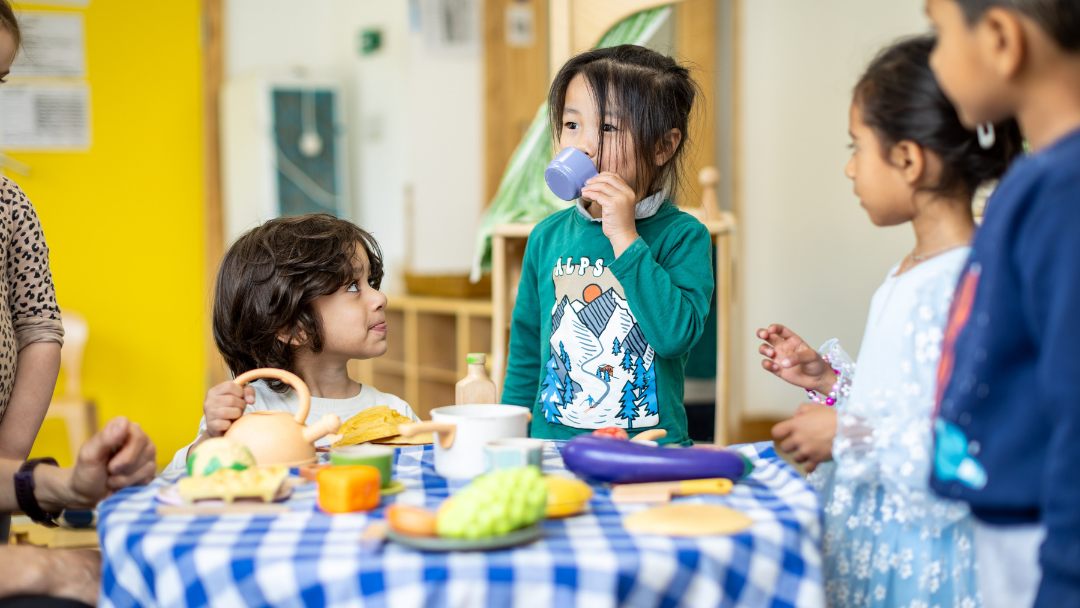
Acting out stories helps children develop verbal communication and social skills. As they take on different roles, they learn to articulate their thoughts and work collaboratively with peers. These interactions are vital for building strong social bonds and preparing children for future group settings.
Props and costumes add excitement and creativity to role-play, transforming ordinary play into extraordinary adventures. Whether it's a simple hat or a full costume, these elements spark creativity and enhance the role-playing experience. They also offer opportunities for children to explore different activities and scenarios.
Interactive storytelling, where children participate in the narrative, engages them in active listening and comprehension. By involving children in the story, you make the experience more dynamic and memorable. This approach not only captivates their attention but also encourages them to think critically and contribute ideas.
Garden And Outdoor-Based Nature Exploration

The great outdoors is a treasure trove of learning opportunities for young children. Outdoor nature exploration introduces them to the wonders of the natural world while promoting physical development and cognitive growth.
Nature walks are a fantastic way to introduce children to the beauty and diversity of the environment. As they explore different terrains and observe their surroundings on their outdoor adventures, they develop observation skills. These walks are also an excellent opportunity for nursery teams to teach children about the importance of preserving nature.
Outdoor play fosters physical development and healthy lifestyles. Activities like running, jumping, and climbing help children build strength, coordination and balance. These engaging nursery activities encourage children to be active, promoting overall well-being.
Scavenger hunts or nature hunts stimulate problem-solving and observation skills by challenging children to find specific items in nature. This activity encourages them to think critically and work together, fostering teamwork and communication. It's a fun and interactive way to learn about the environment and develop cognitive skills.
Gardening teaches responsibility and the cycle of life. When children plant seeds and watch them grow, they learn about patience, care and the importance of nurturing living things. This hands-on experience also introduces them to basic scientific concepts and the joy of growing their own food.
Natural materials provide endless opportunities for creative play. Sticks, stones, leaves and flowers can inspire imaginative games and art projects. These materials encourage children to explore their creativity, making outdoor play a rich and rewarding experience.
EYFS Led Sensory Play Activities

Sensory play is a delightful way to engage children's senses and stimulate their curiosity. These activities provide a multisensory experience that supports cognitive development and encourages creativity, guided by the EYFS.
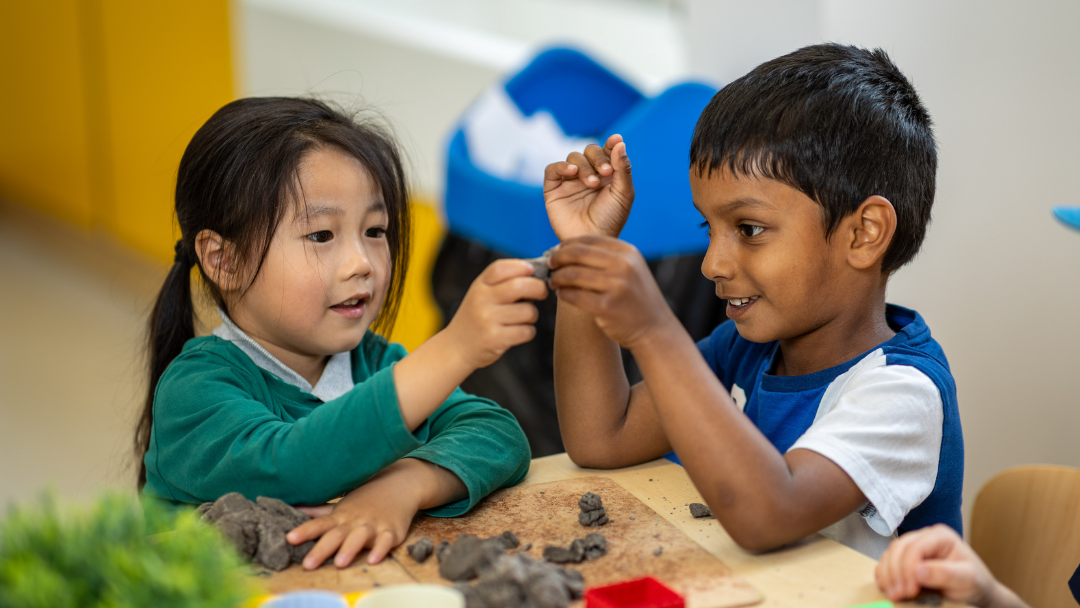
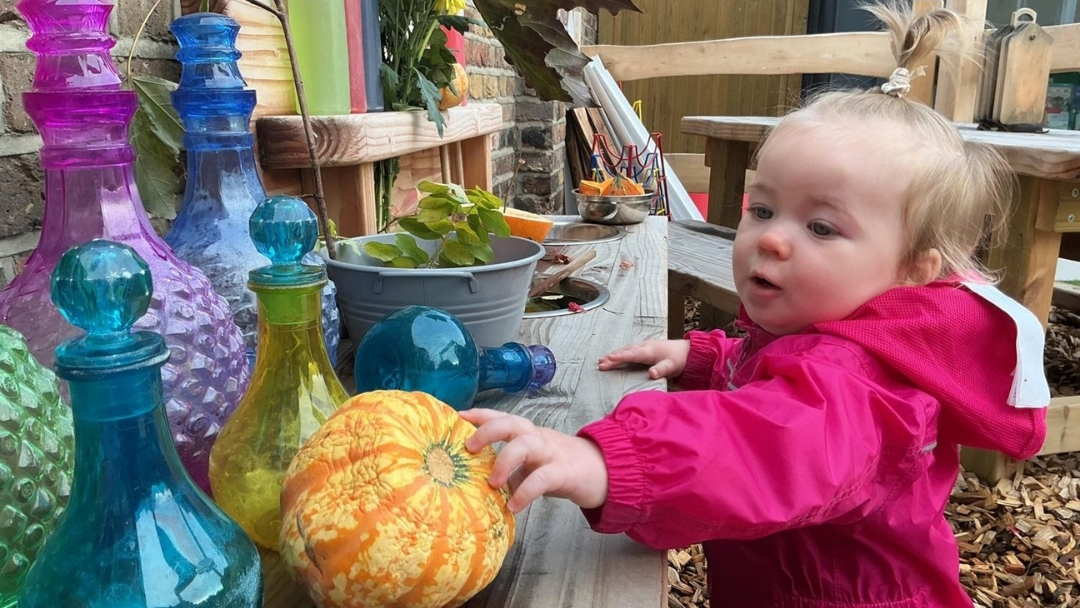
Sensory bins, filled with materials like rice, sand or water, engage children's senses and curiosity. These bins allow children to explore textures and materials, enhancing their tactile exploration and creativity. They're a wonderful way to introduce young children to new experiences and concepts.
Textures and materials in sensory play enhance tactile exploration and creativity. By feeling different surfaces and manipulating various objects, children learn about cause and effect and develop fine motor skills. These activities also promote problem-solving and critical thinking.
Water play activities provide calming and stimulating experiences for children. Whether they're pouring, splashing or floating objects, they're learning about volume, buoyancy and the properties of water. This type of play is both soothing and exciting, making it a favourite among toddlers.
Sensory activities support cognitive development and focus by encouraging children to concentrate on specific tasks. As they explore different materials, they're developing cognitive skills like attention, memory and problem-solving. These activities lay the groundwork for future learning.
Messy play encourages freedom and self-expression, allowing children to experiment without fear of making mistakes. This type of play fosters creativity and independence, as children learn to make decisions and explore their ideas. It's a liberating experience that builds confidence and encourages exploration.
Fun With Numbers And Counting
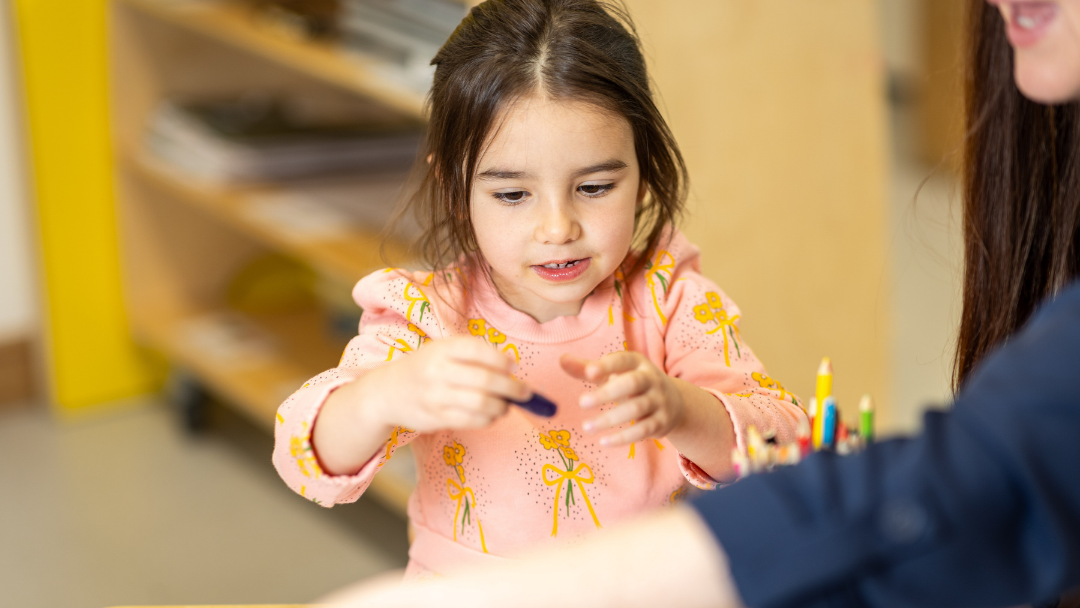
Numbers and counting can be fun and interactive when approached through engaging nursery activities. These activities introduce preschool children to basic maths skills in a playful and enjoyable way.
Number games make learning maths fun and interactive by incorporating play and competition. Games like counting games or shape sorting challenges allow children to think critically and solve problems.
Counting songs enhance memory and rhythm skills by using catchy tunes and repetitive patterns. These songs help children remember numbers and sequences, reinforcing their understanding of basic math concepts. They're a lively and enjoyable way to introduce counting to young children.
Sorting activities develop logical thinking and categorisation skills by encouraging children to group objects based on specific criteria. These activities teach children to recognise patterns and relationships, laying the foundation for more complex mathematical concepts.
Puzzles challenge problem-solving and concentration by requiring children to fit pieces together to complete a picture or pattern. These activities promote spatial awareness and critical thinking, helping children develop essential cognitive skills.
Dice games introduce children to numbers and simple arithmetic by using dice to create fun and interactive challenges. These games encourage children to count, add and subtract in a playful setting, making maths enjoyable.
Building Language Skills Through Music And Movement
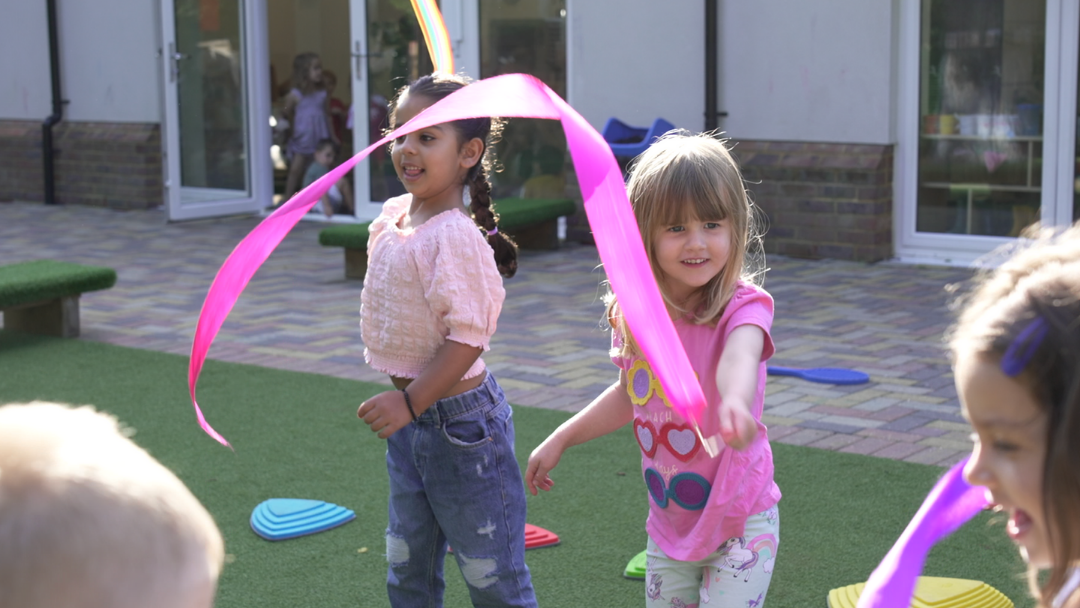
Songs are a powerful tool for building language skills in young children. Through music, children enrich their vocabulary, improve pronunciation and develop essential communication skills.
Songs enrich vocabulary and pronunciation in a fun way by introducing children to new words and sounds. As they sing along, they're practicing pronunciation and learning to use language effectively. This musical approach makes language learning enjoyable and memorable.
Rhyme and rhythm aid memory retention and cognitive development by reinforcing patterns and sequences. These elements help children remember words and phrases, enhancing their memory and cognitive skills. Songs with rhyme and rhythm are a fantastic way to teach language concepts.
Singing together fosters a sense of community and cooperation by bringing children together in a shared activity. This group experience encourages social interaction and teamwork, building a sense of belonging and cooperation among children.
Action songs enhance listening and following instructions by incorporating movements and actions into the lyrics. These songs challenge children to listen carefully and follow directions, promoting focus and attention. They're an engaging way to develop listening skills and coordination.
Music introduces children to cultural diversity and traditions by exposing them to songs from different cultures and backgrounds. This musical exploration broadens their understanding of the world and fosters appreciation for cultural diversity. It's a rich and rewarding experience that enhances their global awareness.
Simple Science Experiments
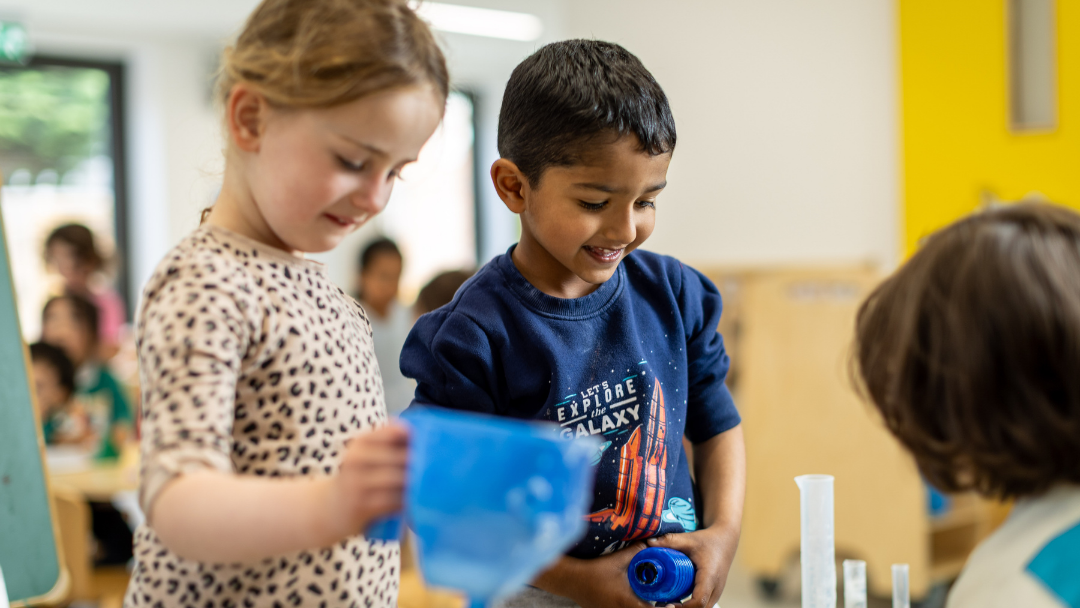
Science experiments are a fantastic way to ignite curiosity and a love for discovery in young children. These hands-on activities make scientific concepts relatable and fun, encouraging children to explore and experiment.
Experiments ignite curiosity and a love for discovery by allowing children to see science in action. Whether they're mixing colours or growing plants, these activities inspire them to ask questions and seek answers.
Hands-on activities make scientific concepts relatable and fun by providing concrete examples and experiences. These activities allow children to explore cause and effect and develop critical thinking and analytical skills. They're a powerful way to make science accessible and enjoyable for young children.
Observations develop critical thinking and analytical skills by encouraging children to notice details and draw conclusions. As they observe changes and reactions, they're learning to think critically and develop essential scientific skills.
Simple demonstrations show cause and effect in everyday phenomena, helping children understand the principles behind scientific concepts. These demonstrations provide clear and memorable examples of how things work, making science relatable and fun.
Science experiments build confidence and perseverance in learning by challenging children to explore and discover. These activities encourage them to take risks and learn from mistakes, fostering a growth mindset and a love for learning.
Indoor Physical Play Ideas
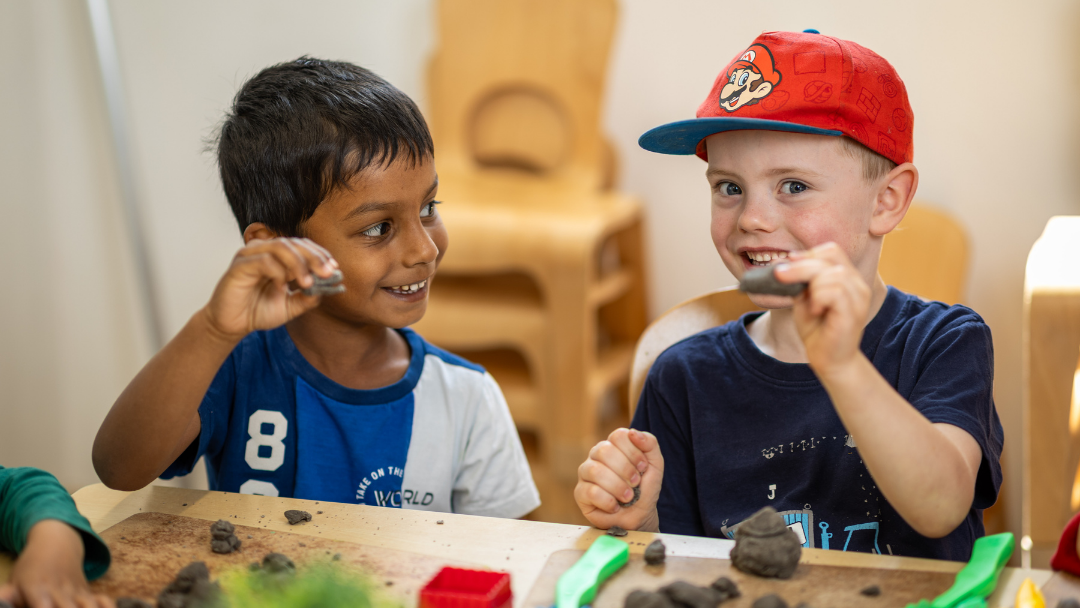
Indoor physical play is a vital part of early development, providing opportunities for children to develop motor skills.
Obstacle courses challenge coordination and balance by requiring children to navigate through various physical challenges. These courses promote physical development and motor skills, helping children build strength and agility.
Dance parties encourage fitness and self-expression by providing a fun and energetic way to move and groove. These parties promote physical activity and creativity, allowing children to express themselves through movement.
Parachute games promote teamwork and social skills by requiring children to work together to move and manipulate a parachute. These games encourage communication and cooperation, building strong social bonds among children.
Balloon games develop hand-eye coordination and reflexes by challenging children to catch, throw, and hit balloons in various ways. These games promote physical development and motor skills, helping children improve their coordination and reflexes.
Yoga sessions enhance relaxation and concentration by teaching children to focus on their breathing and movements. These sessions promote relaxation and mental focus, helping the child develop concentration and mindfulness skills.
Cooking And Baking With Little Helpers
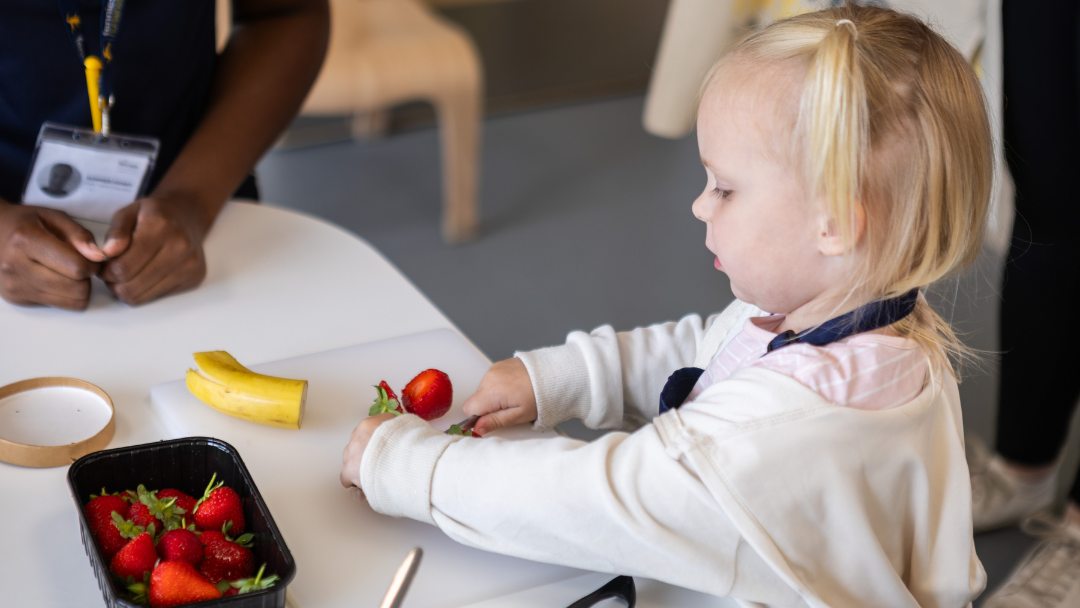
Cooking and baking with young children is a delightful way to introduce them to new tastes and healthy eating habits. These activities promote creativity, independence and teamwork, making them an engaging part of early childhood development.
Cooking introduces your child to new tastes and healthy eating habits by allowing them to explore different ingredients and flavours. These activities encourage children to try new foods and develop an appreciation for healthy eating.
Baking activities enhance measuring and counting skills by requiring children to measure and mix ingredients accurately. These activities teach children about numbers and quantities, promoting mathematical skills in a fun and interactive way.
Recipes encourage following instructions and sequencing by providing step-by-step guides for creating delicious dishes. These activities teach children to follow directions and understand the importance of sequencing, promoting cognitive development and focus.
Kitchen tasks promote independence and responsibility by allowing children to take on specific roles and tasks in the kitchen. These activities teach children to work independently and develop a sense of responsibility, fostering confidence and self-esteem.
Sharing food fosters community and appreciation for effort by bringing children together to enjoy the fruits of their labour. These activities promote social interaction and teamwork.
Summary
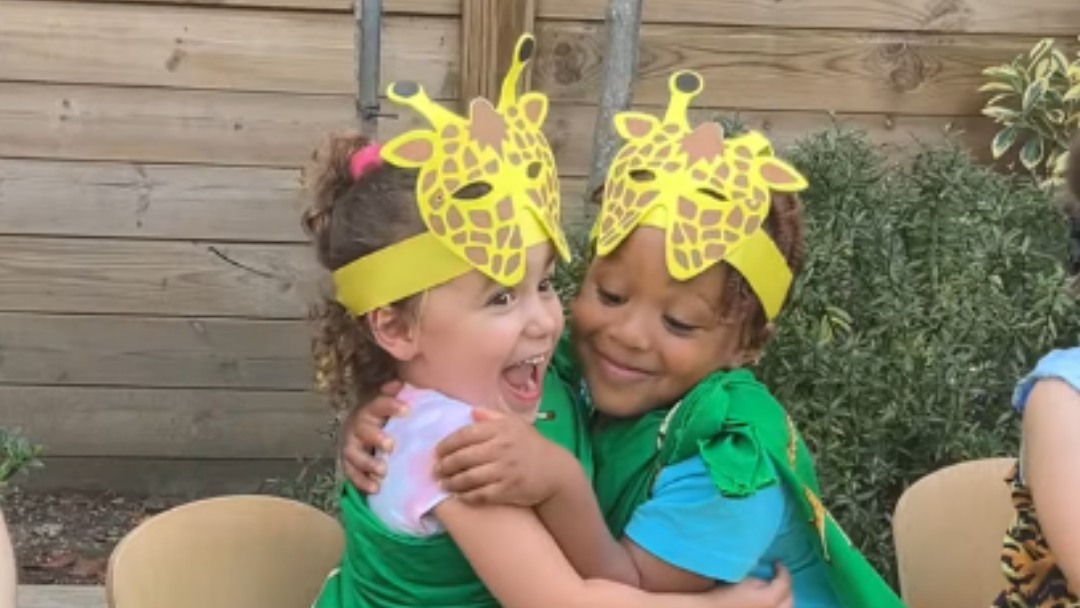
Nursery activities offer a rich tapestry of experiences that blend play with learning. From musical play and creative arts to storytelling and outdoor exploration, these activities lay the foundation for Early Years development. By engaging children in fun and educational experiences, you're nurturing their curiosity, creativity and social skills. As you explore these activities, consider how they can enrich your nursery setting and support the growth of young minds.
What creative ideas or activities have you found most effective in sparking joy and learning in your nursery?
FAQ
Nursery activities play a crucial role in Early Years development by enhancing cognitive, physical and social skills. Through engaging play, children learn to solve problems, express creativity and develop motor skills. These activities also foster communication and teamwork, laying a strong foundation for future learning and social interactions.
Incorporating educational play at home is simple! Use everyday items for creative activities like building blocks, drawing or storytelling sessions. Encourage outdoor play to develop physical coordination and explore nature. Remember, the key is to make learning a fun and natural part of your child's routine.
Sensory play is vital as it stimulates a child’s senses, promoting exploration and discovery. It helps in developing fine motor skills, language and cognitive growth. Activities like playing with sand, water or textured materials enable children to understand the world through touch, sight and sound.
Nursery activities support emotional development by helping children express feelings and build self-confidence. Through role-playing and group interactions, they learn empathy, patience and resilience. These activities provide a safe environment for children to navigate emotions and practice social skills.
Some engaging nursery activities include arts and crafts, music and movement sessions, storytelling and outdoor exploration. Simple games like puzzles, sorting and matching also encourage learning. Each activity is designed to be enjoyable while supporting various aspects of early childhood development.
Subscribe to our newsletter
Stay up to date with Fennies news
Related posts
Where future scientists begin: Inside our STEM learning spaces
How Fennies Nurseries prepares children for a digital world

Life at Fennies: July & August | Community, families & nursery life

From Early Years Educator to Third in Charge: How Fennies Nurseries supports career progression in early years
Growing up in a digital world: A parent's guide to healthy screen time and early learning

Top Places To Visit With Children In Kidbrooke And Surrounding Areas

Discover Fennies Wimbledon, Elm Grove